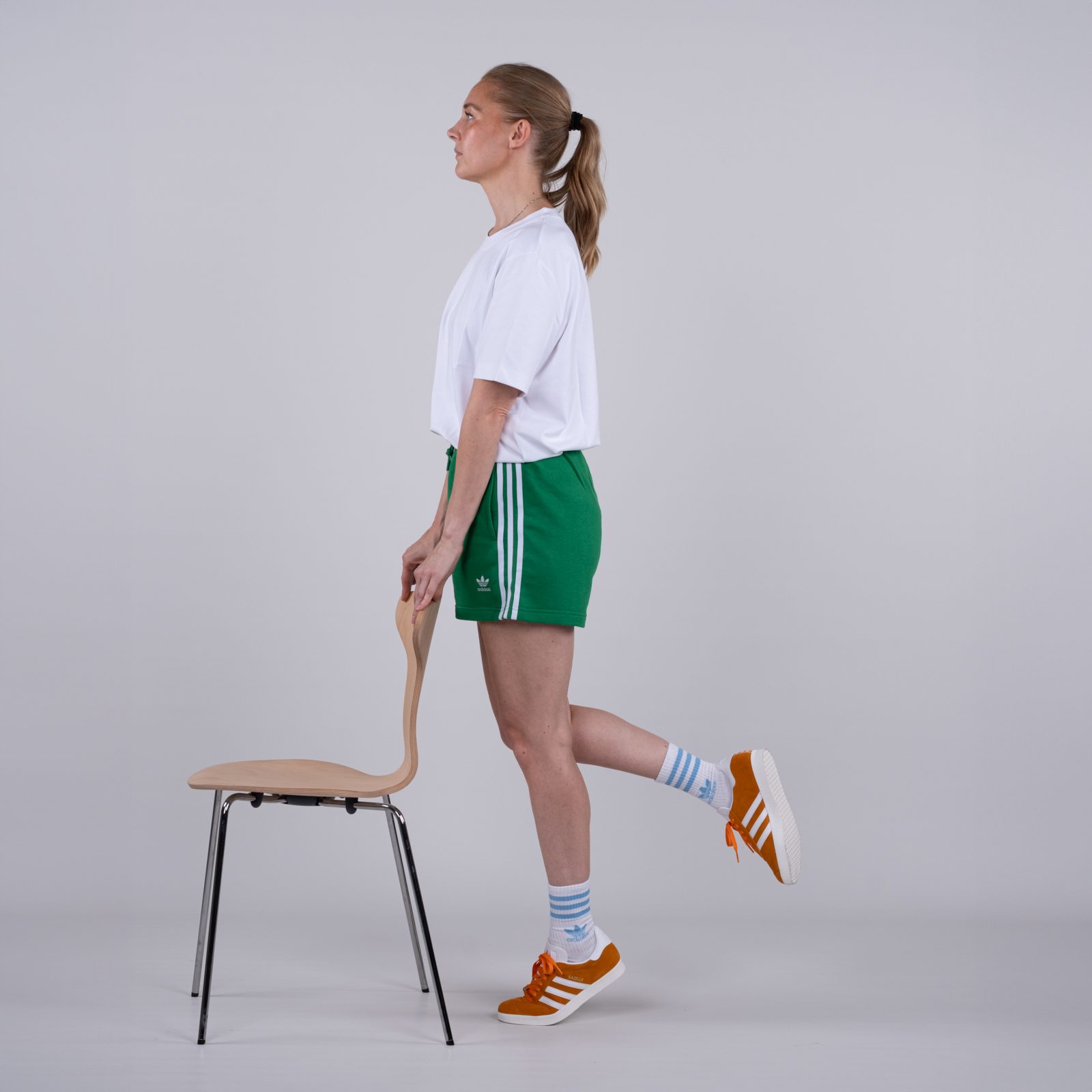
Condition
Unlimited: Cycling, swimming, running in deep water.
Stretching
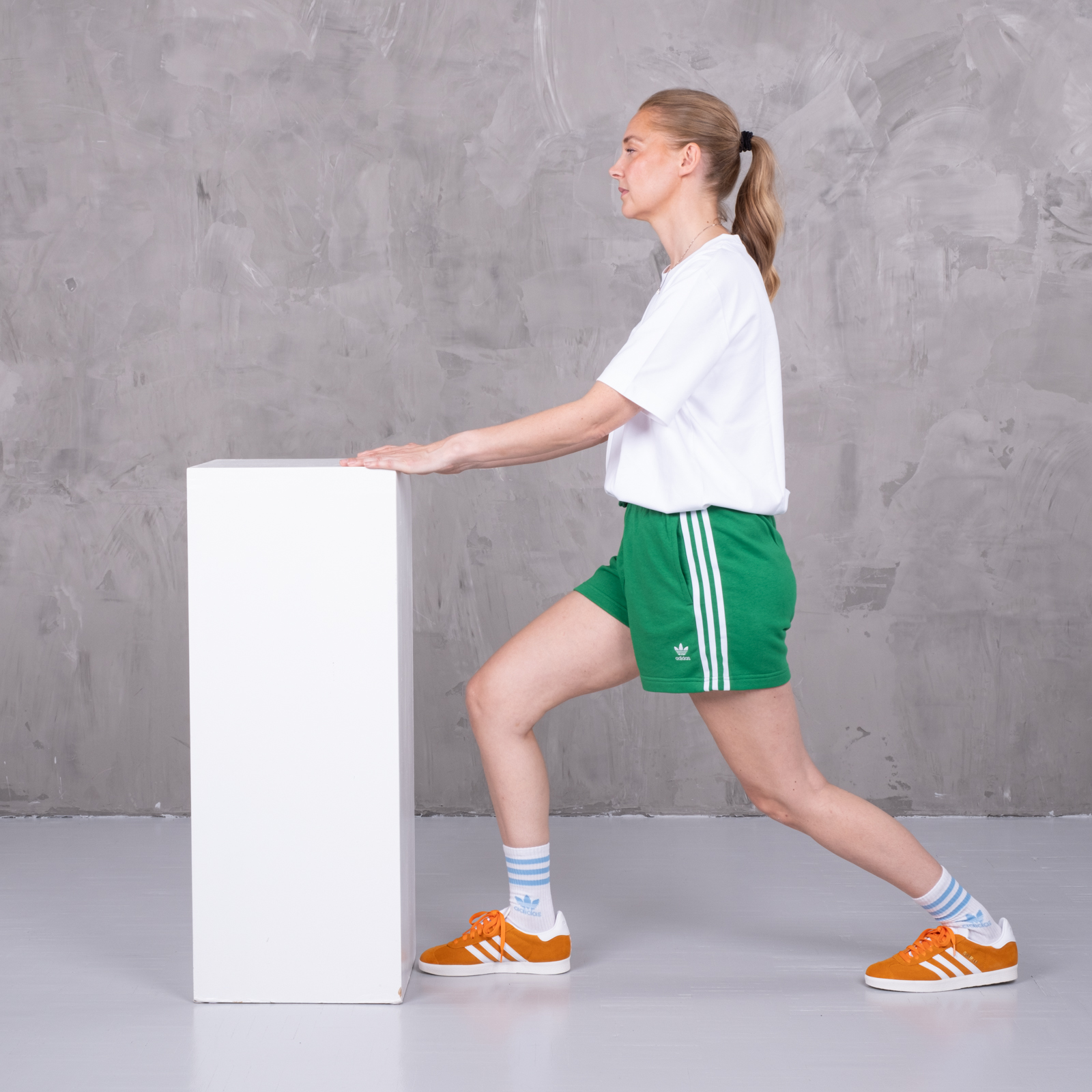
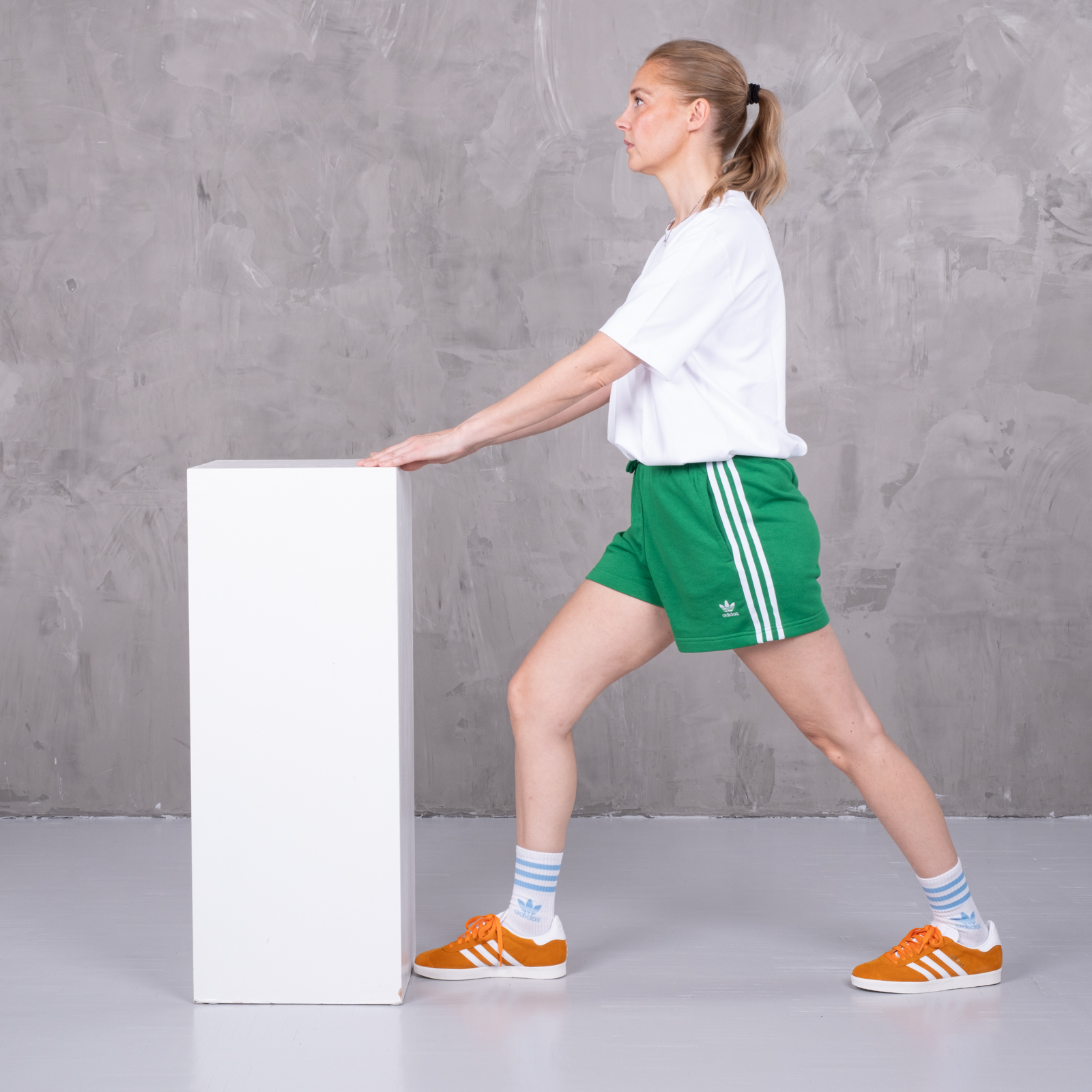
Stand with your arms resting against a wall and your working leg stretched out behind you so that you feel a stretch in your calf muscle. Slowly bend the knee of your working leg so that you feel an increasing stretch in your calf muscle. Hold the stretch for 20 seconds. Repeat the exercise on the other leg.
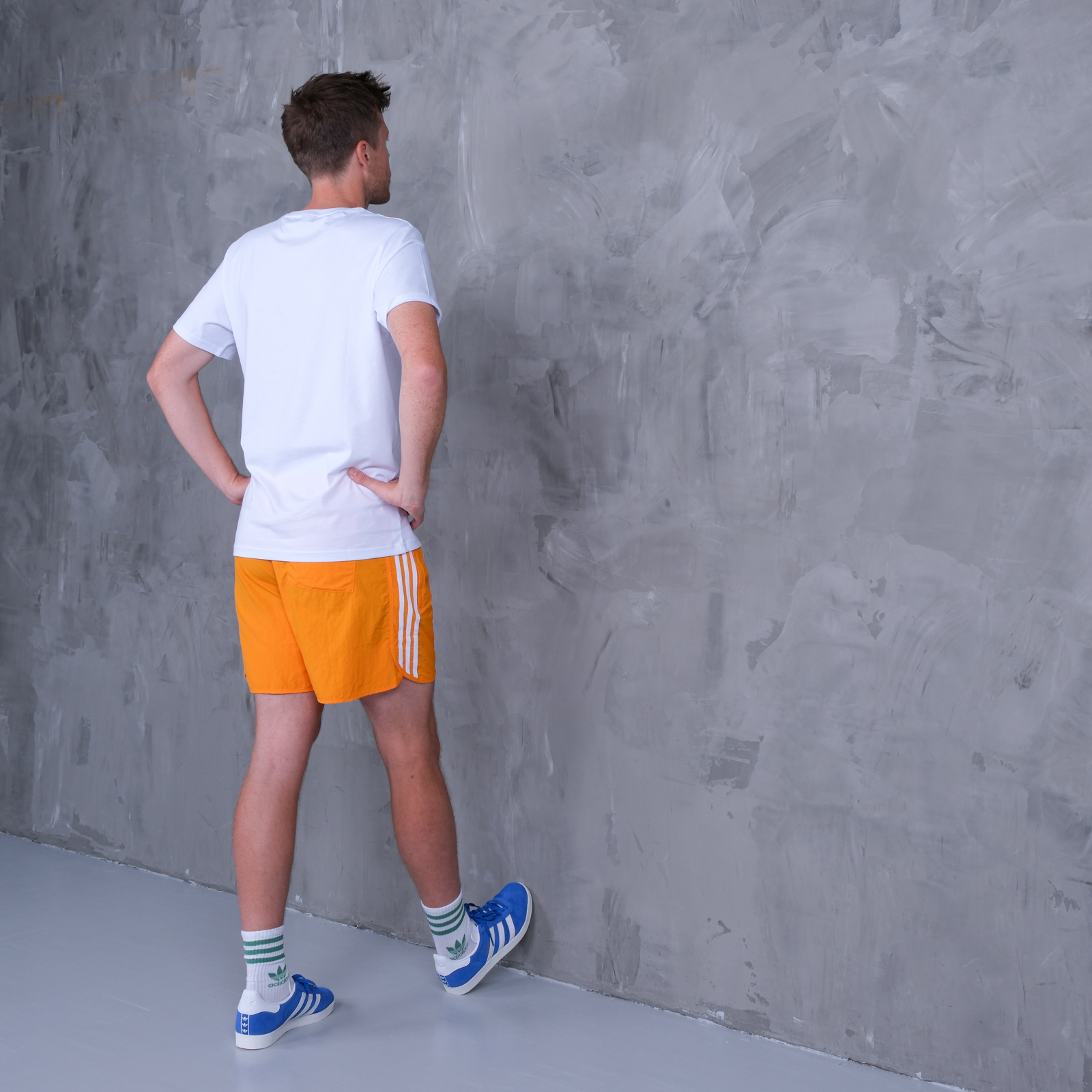
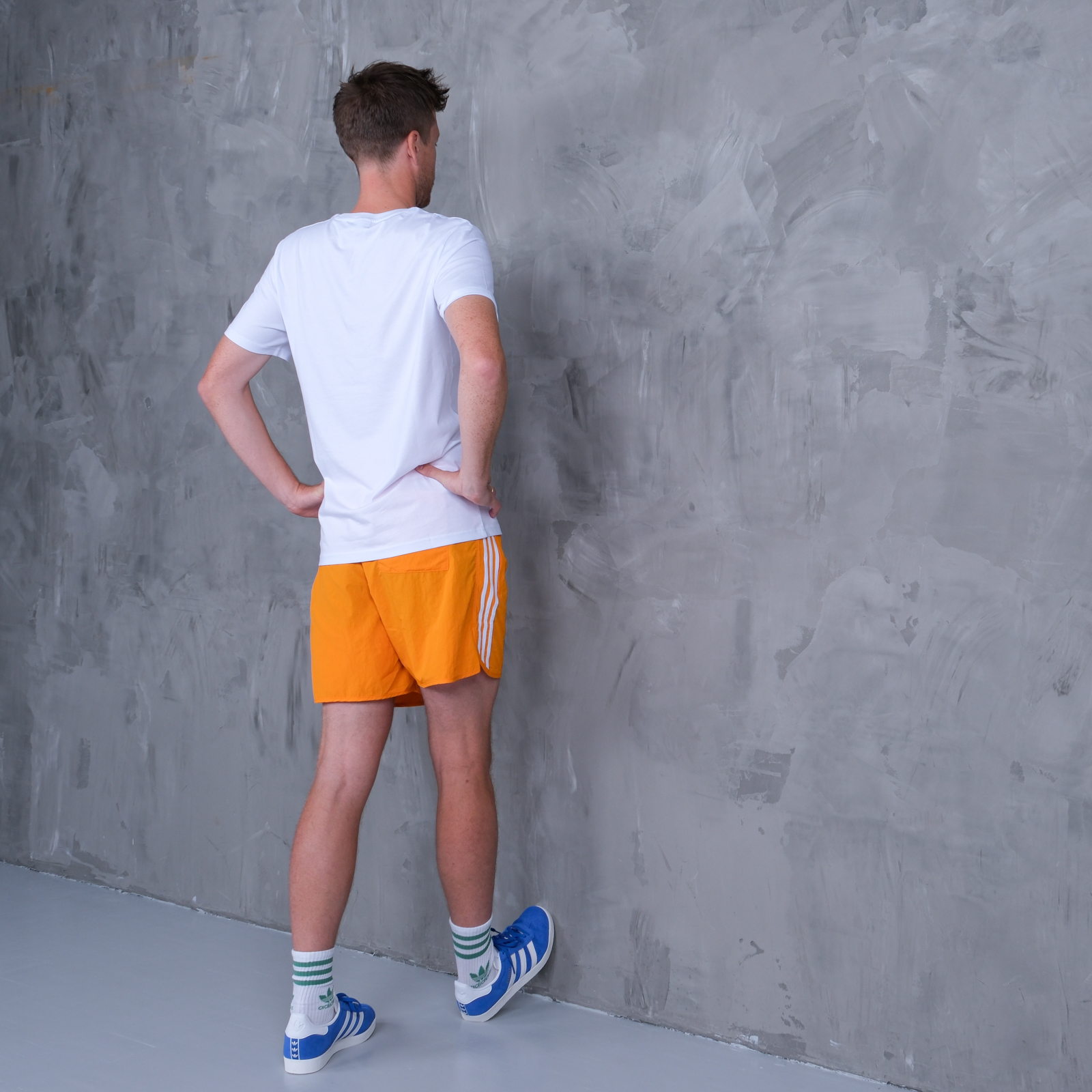
Stand facing a wall with your working leg stretched out, heel on the floor, and with your ankle bent so that the ball of your foot rests against the wall. Press your pelvis against the wall to gradually stretch the adductor muscle. Hold the stretch for 20 seconds. Repeat the exercise on the other leg.
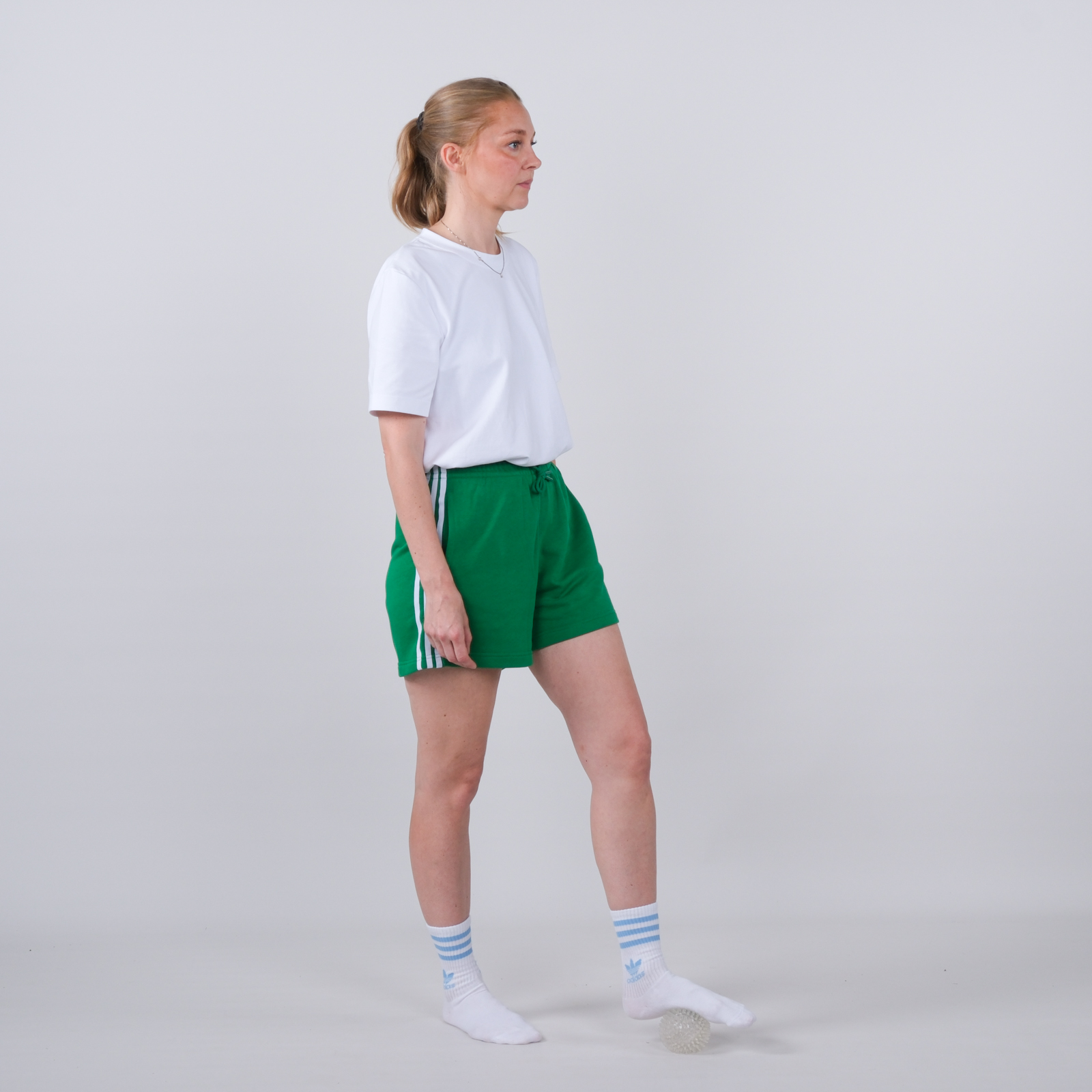
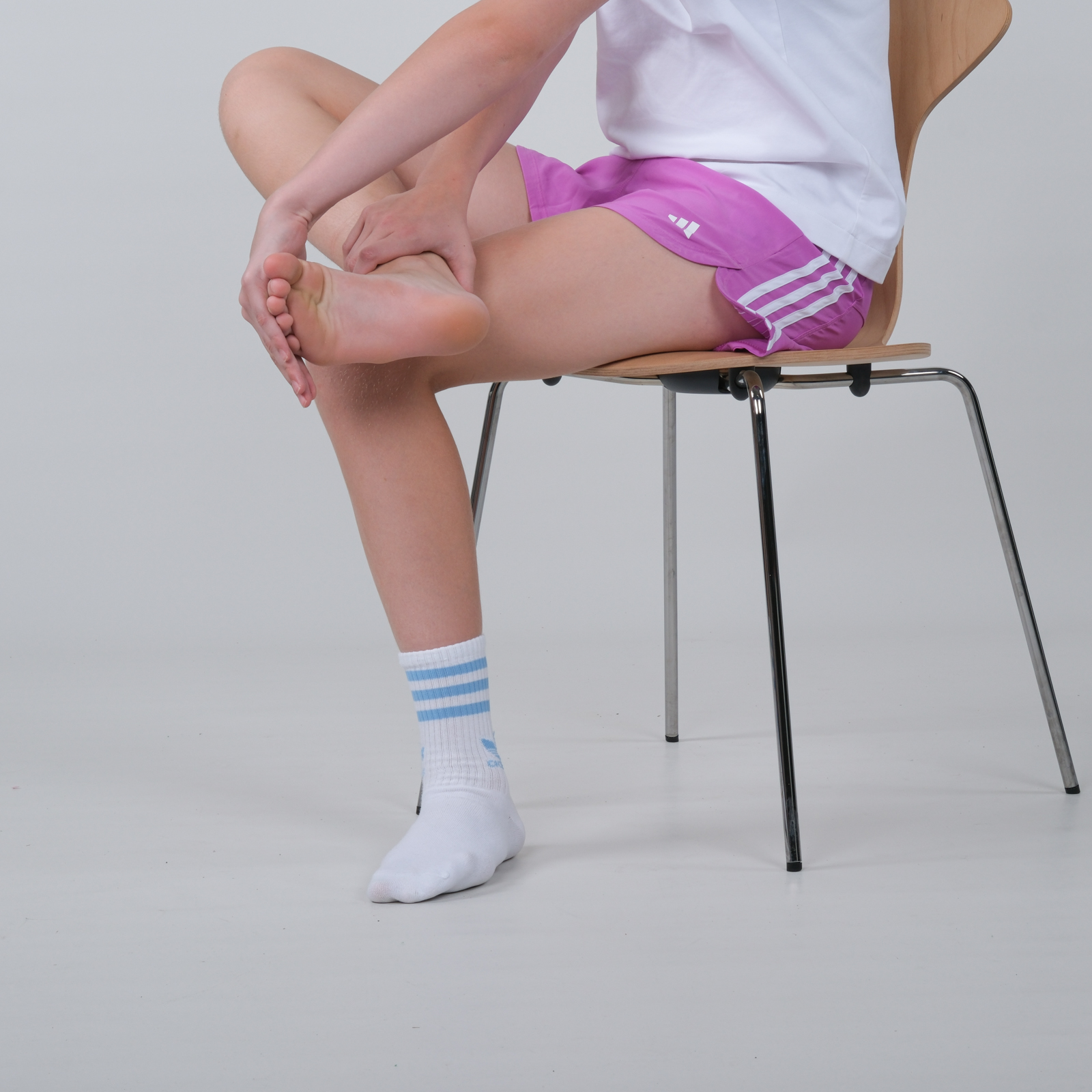
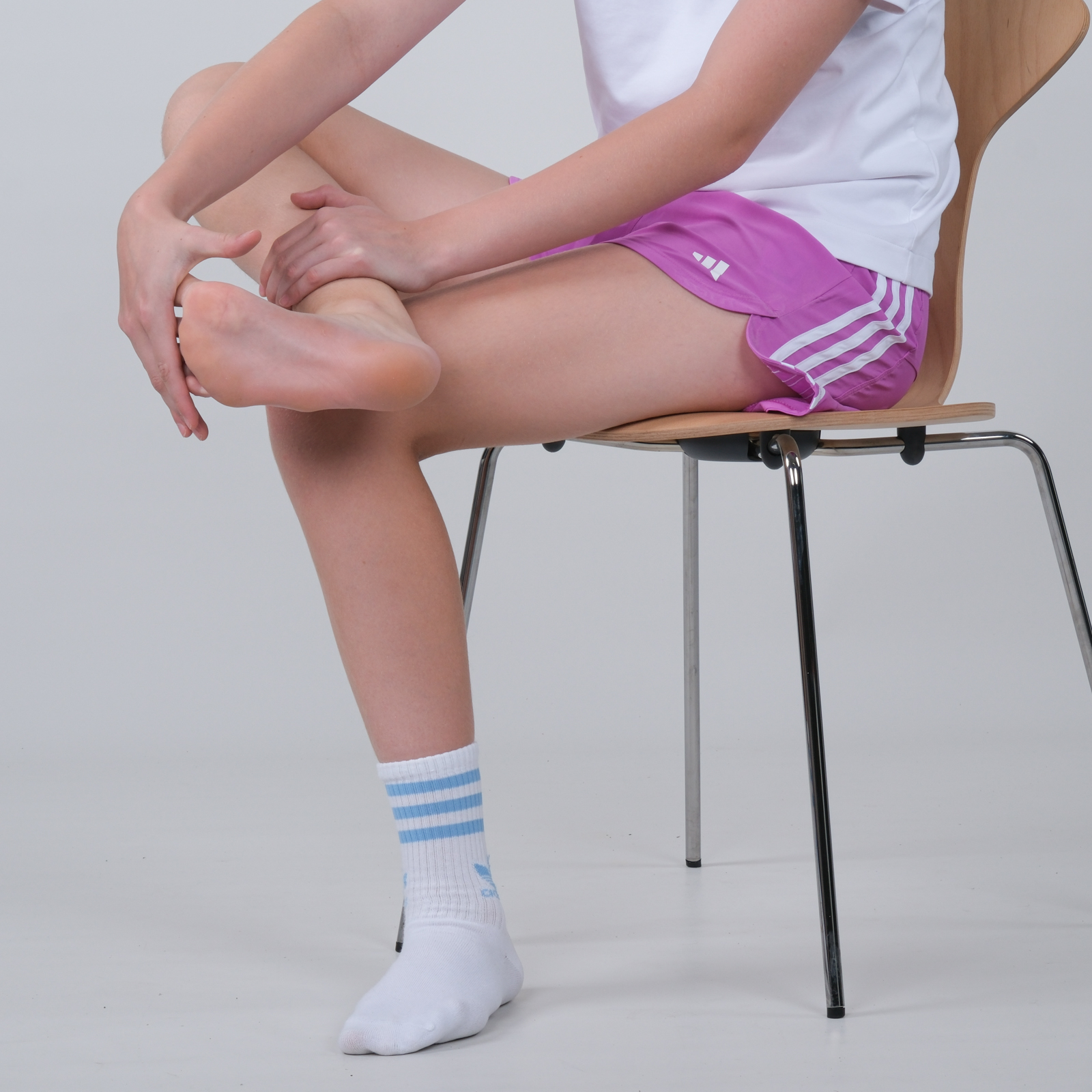
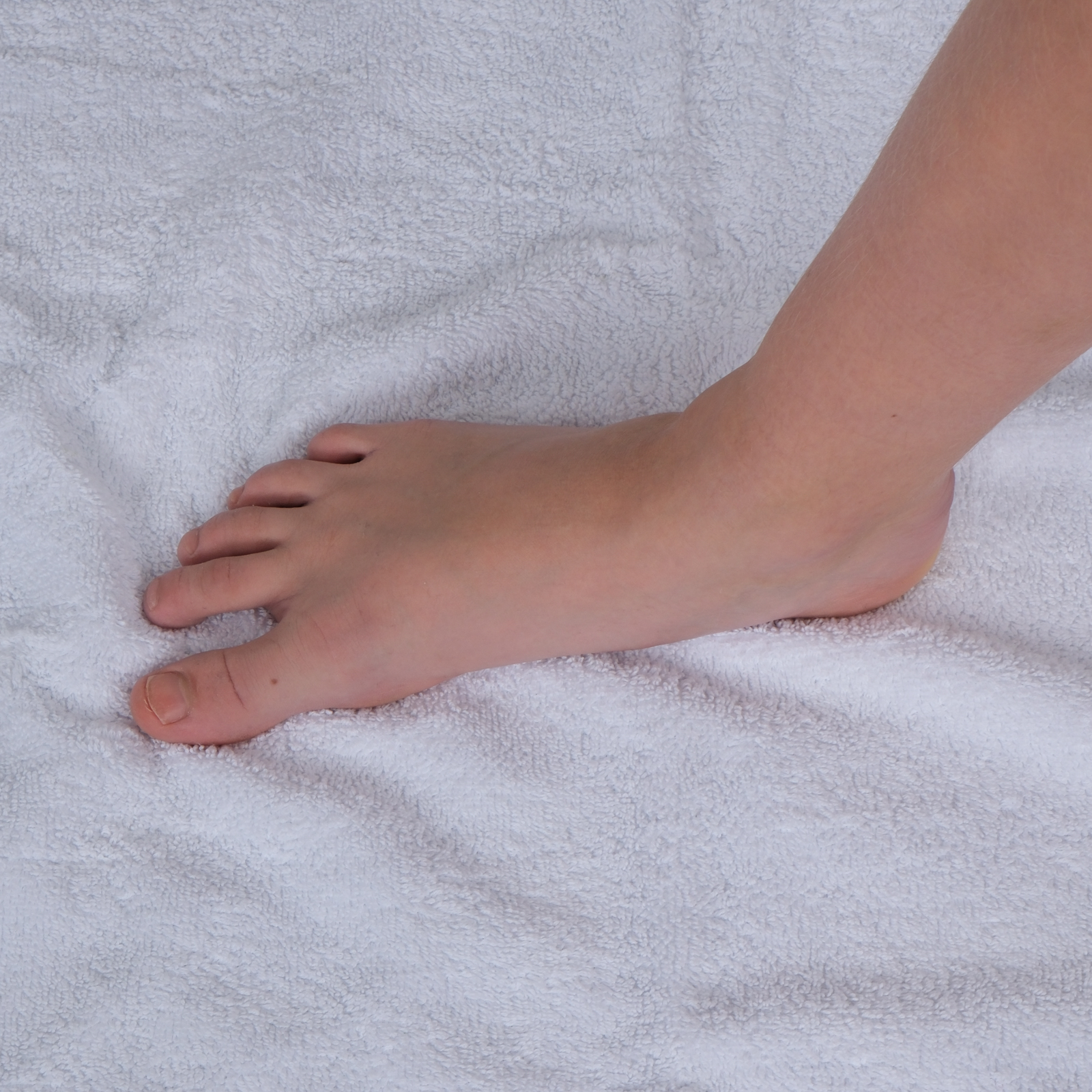
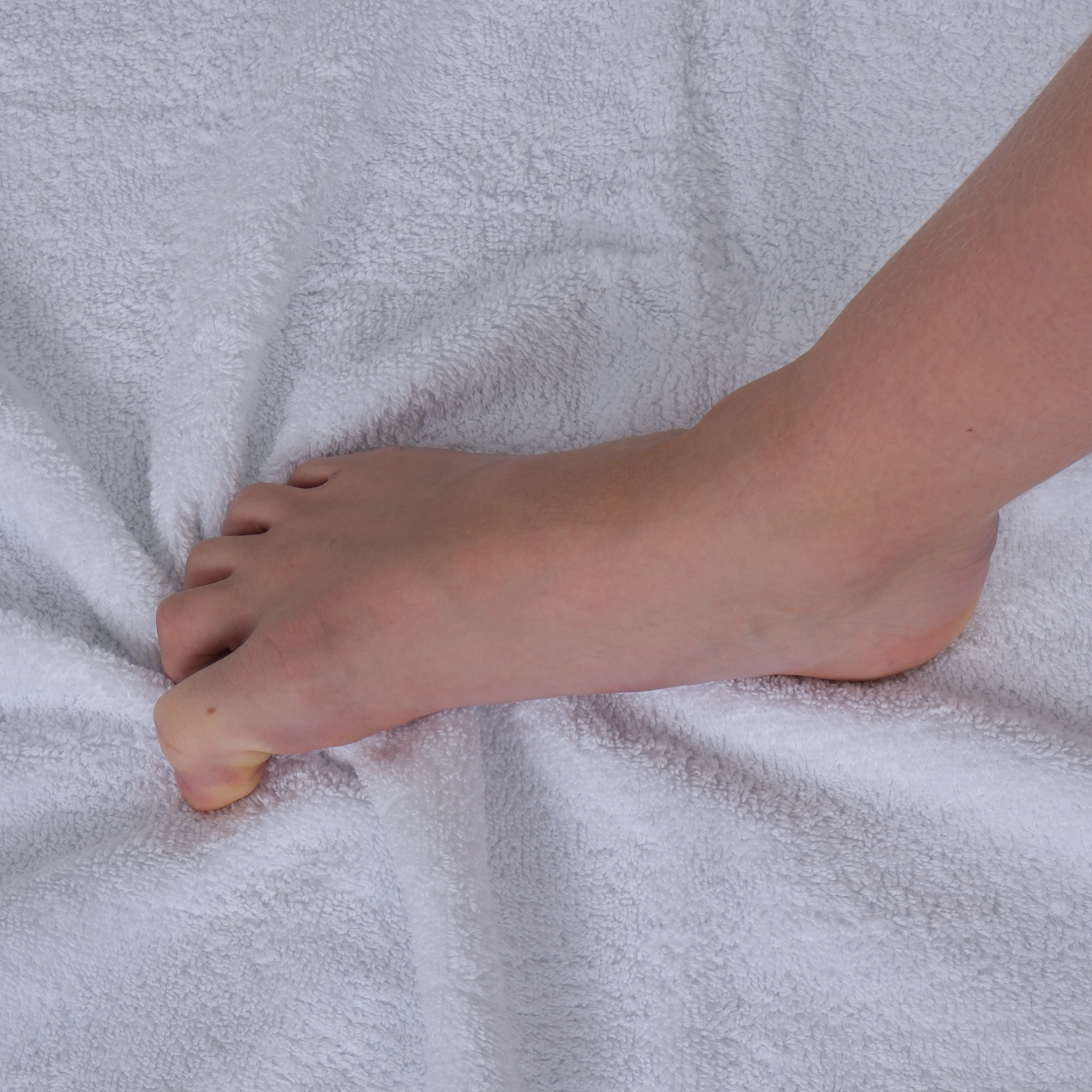
Sit on a chair and place the ankle of your injured leg over the opposite knee. Hold the ankle with one hand, whilst using the other hand to slowly bend your toes upwards (you may feel a stretch under your foot). Hold the stretch for at least 10 seconds. Then bend your toes downwards as far as possible and hold the stretch for 10 seconds.
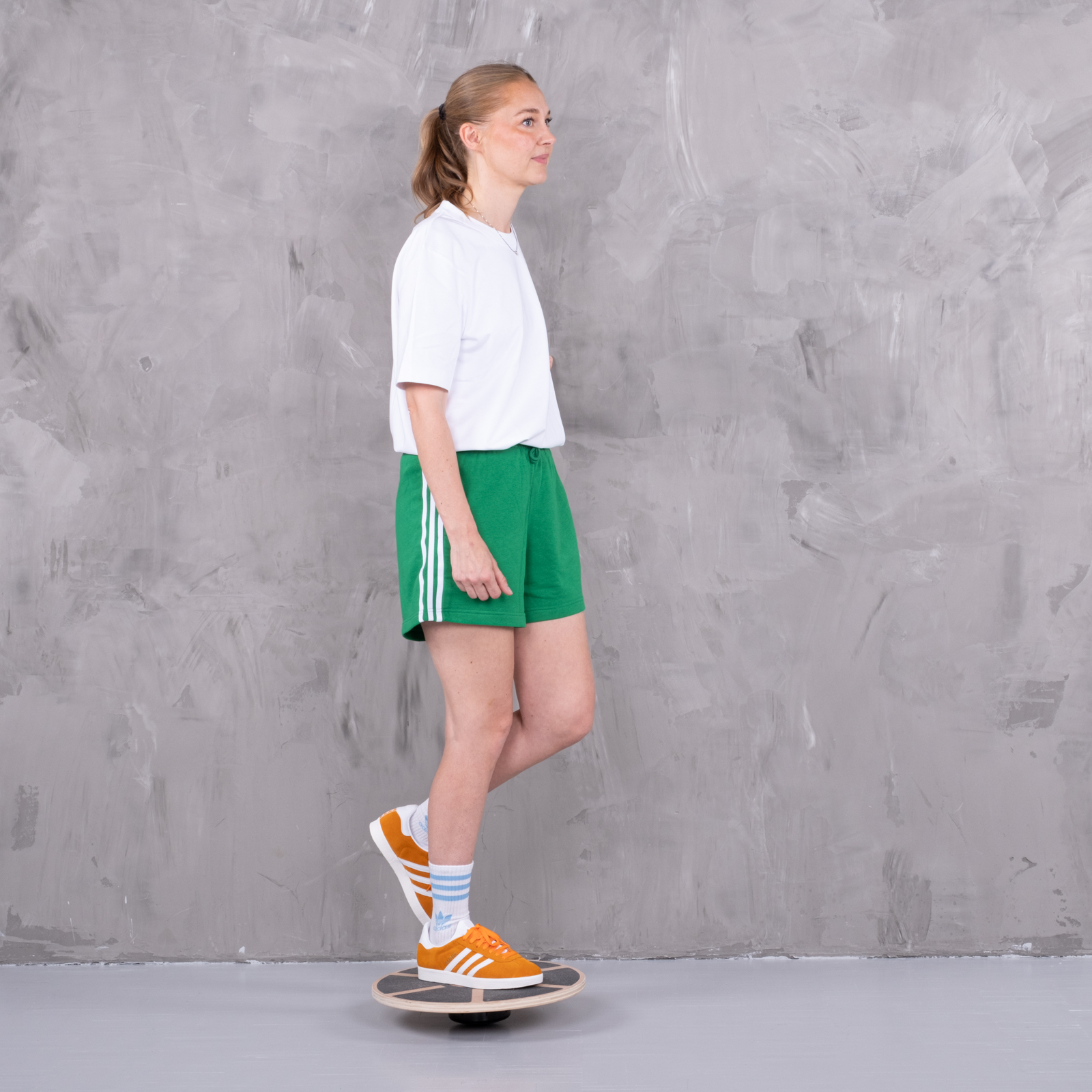
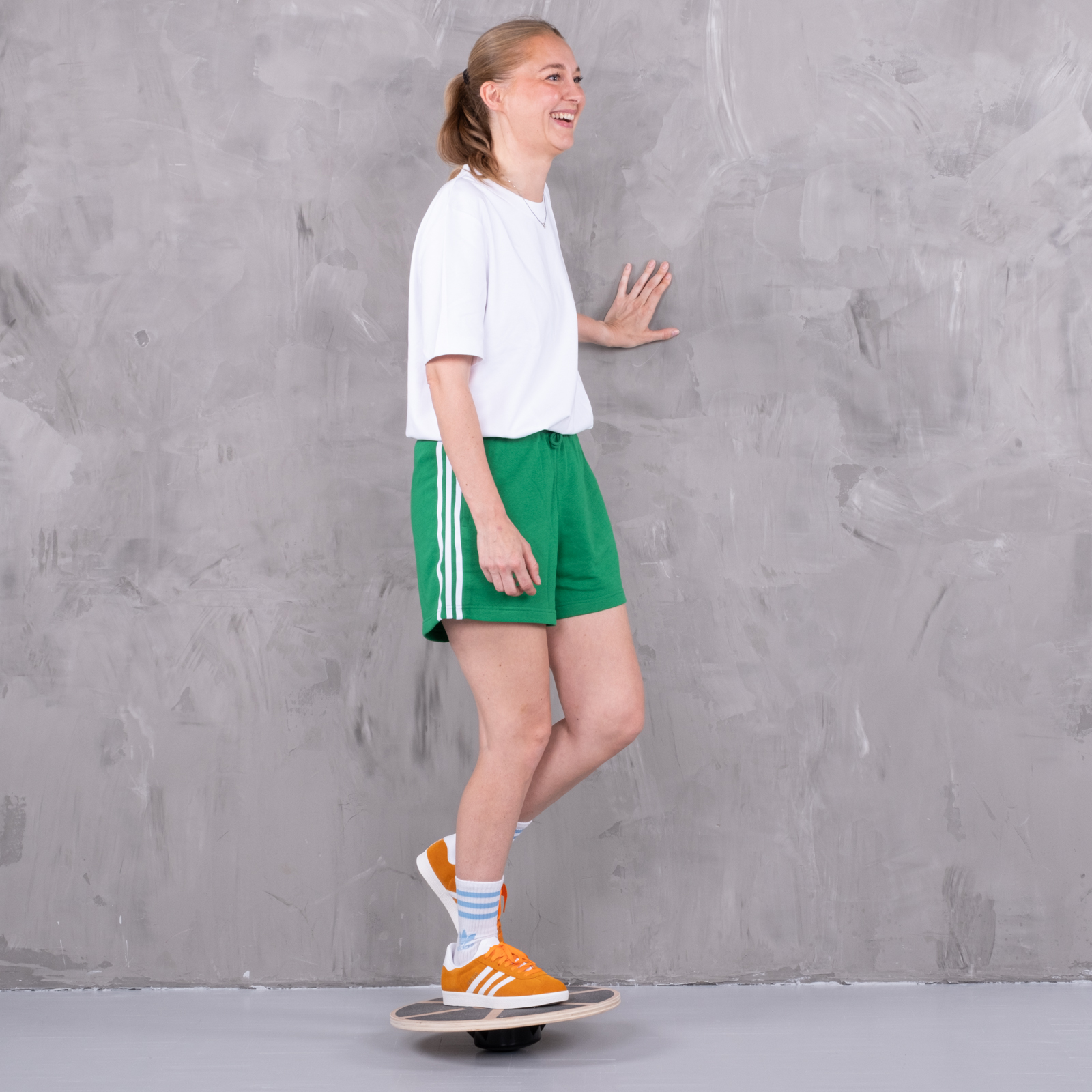
Coordination
Strength
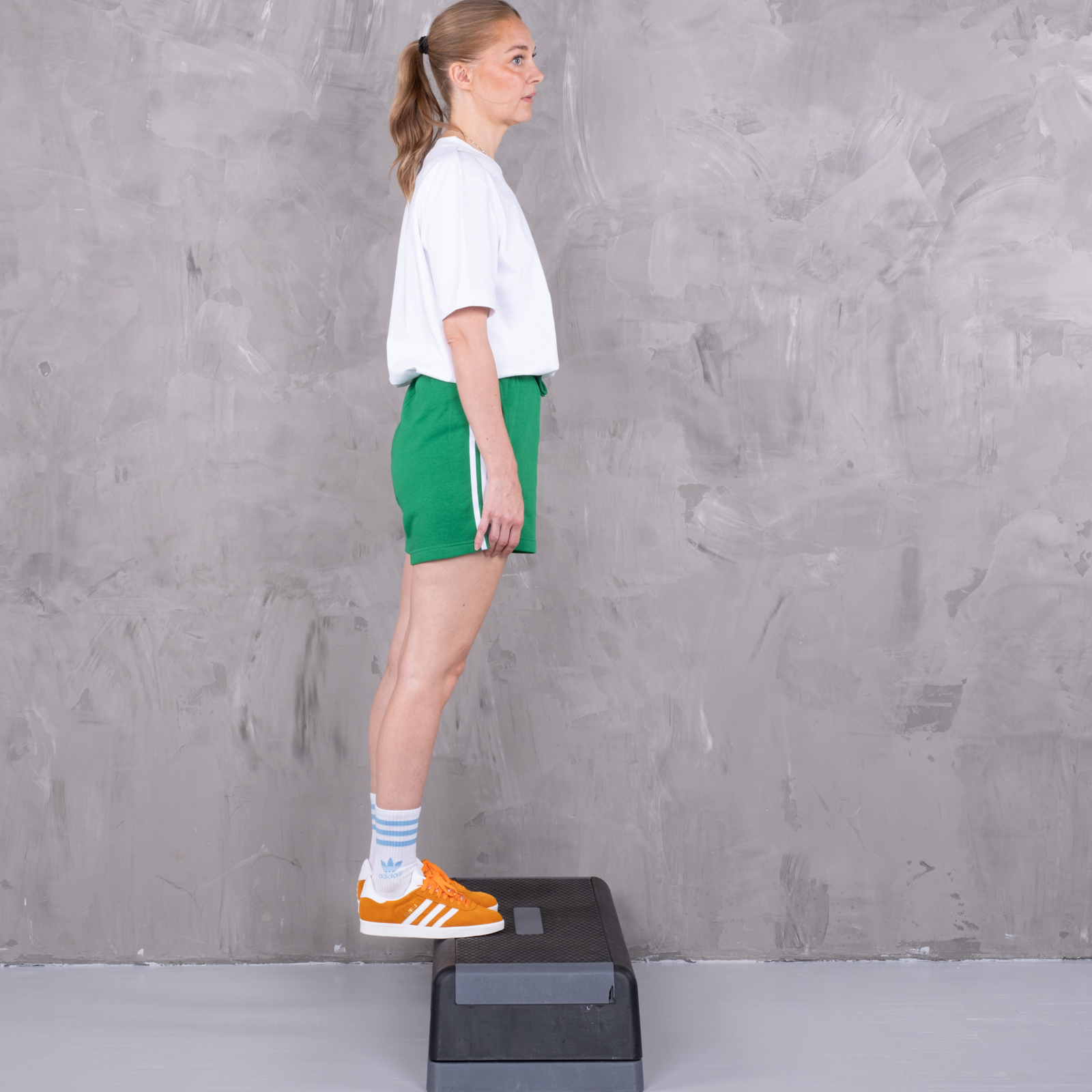
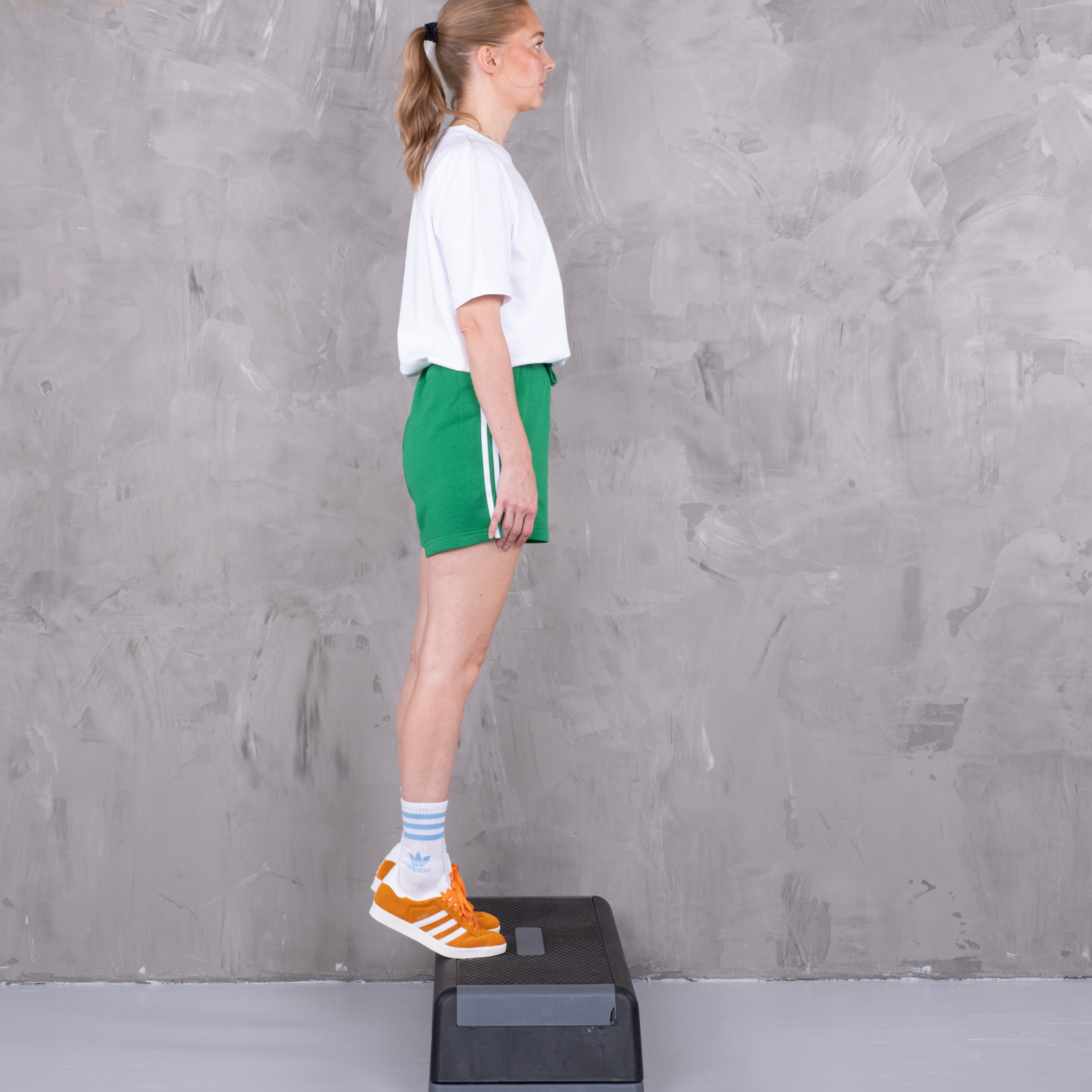
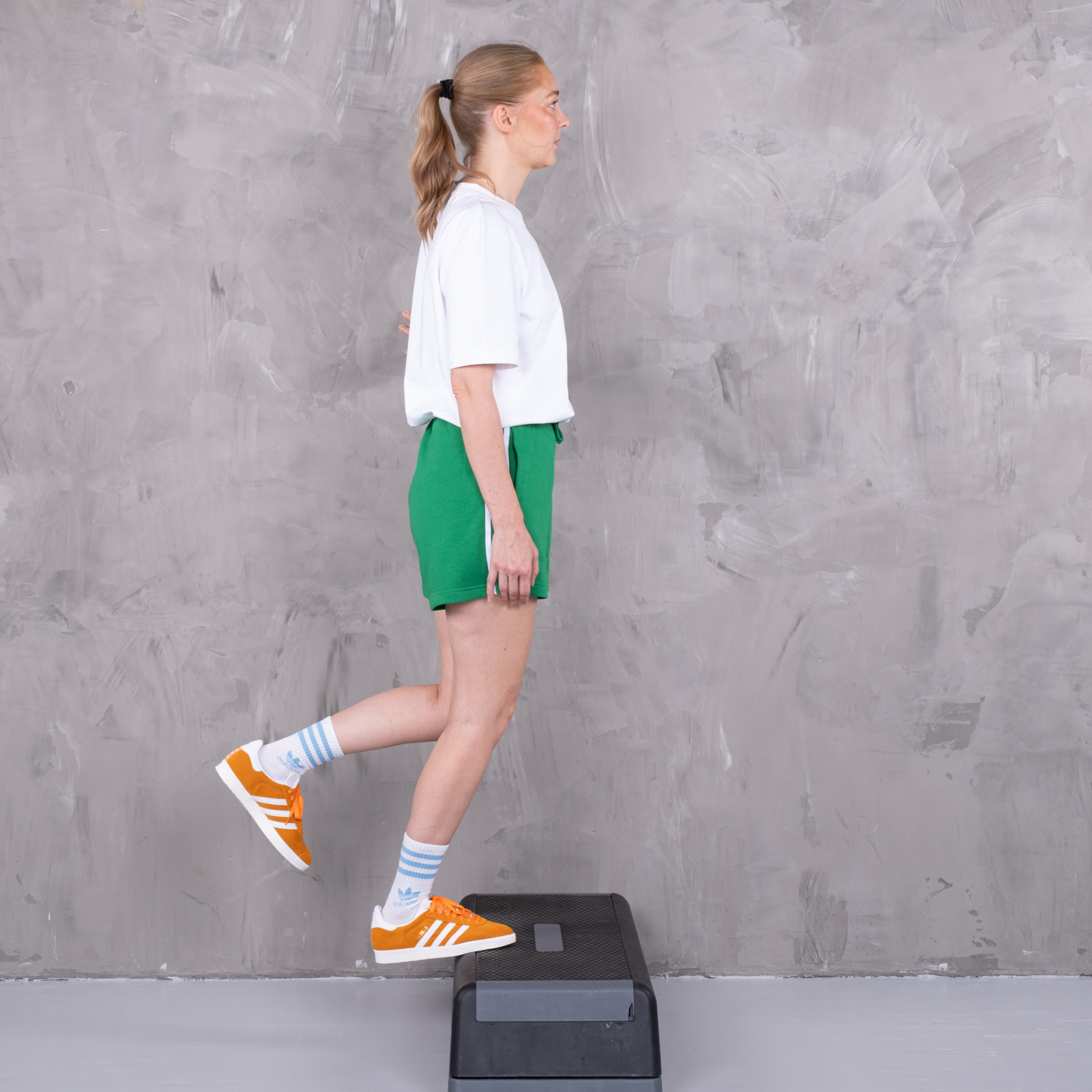
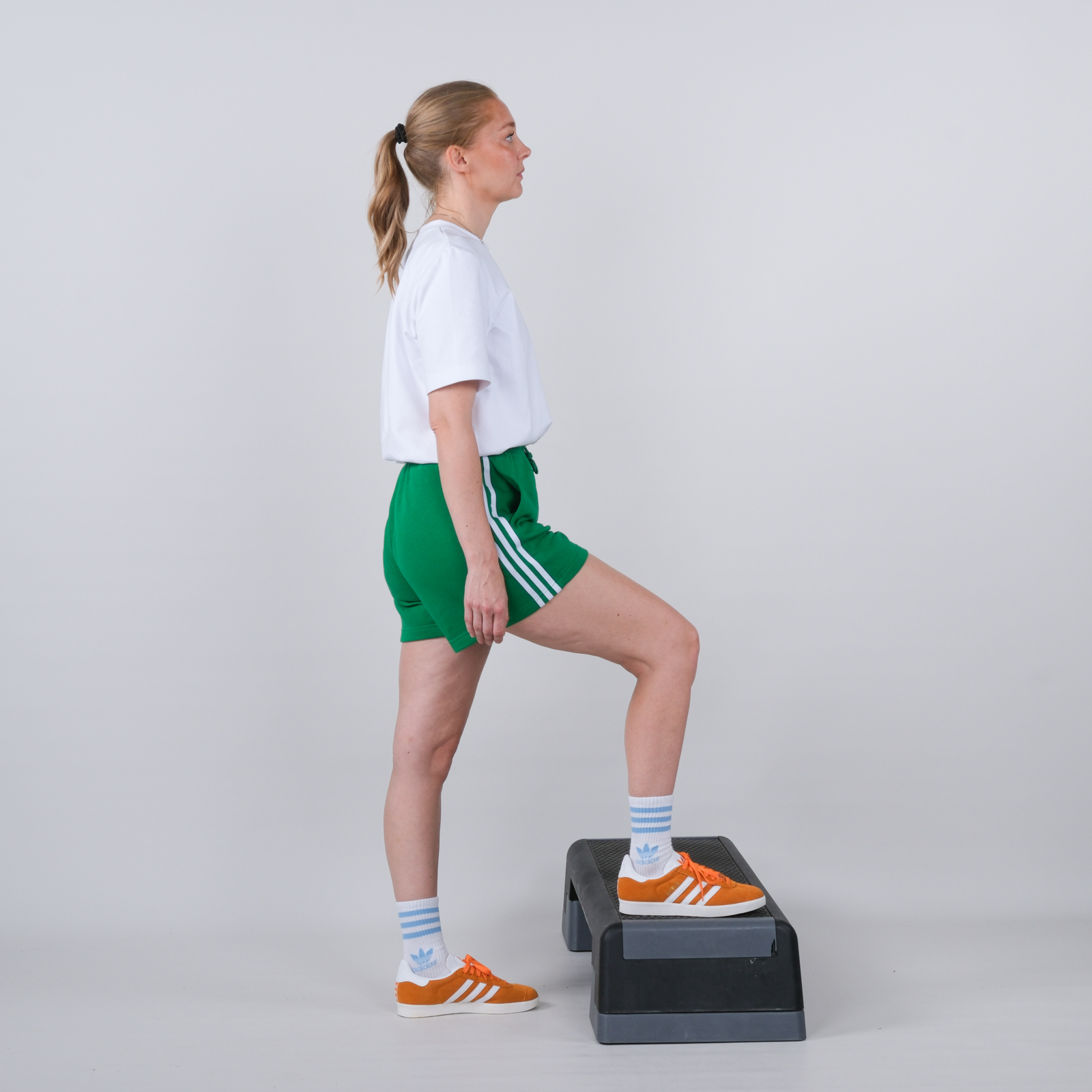
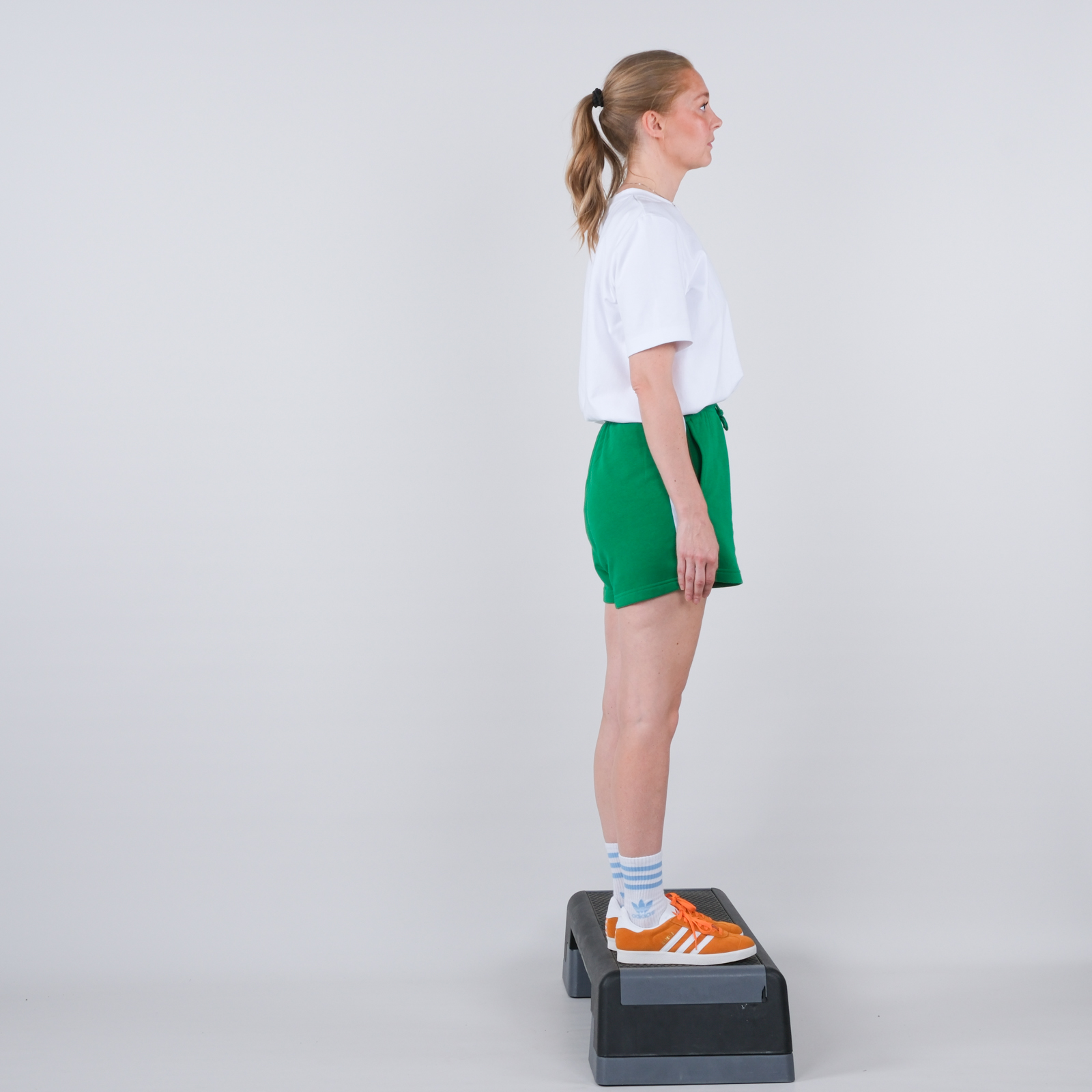
Stand on the balls of both feet on a step, with your heels hanging over the edge. Slowly rise onto your toes, keeping your weight on your good leg. Slowly lower yourself onto your training leg as far as you can, so that you feel a stretch in your calf muscle. Use your good leg to rise back onto your toes. If necessary, support yourself with one hand on the wall. The exercise is performed alternately with the knee straight and bent. The load can be increased by wearing a rucksack and gradually adding weight to it.
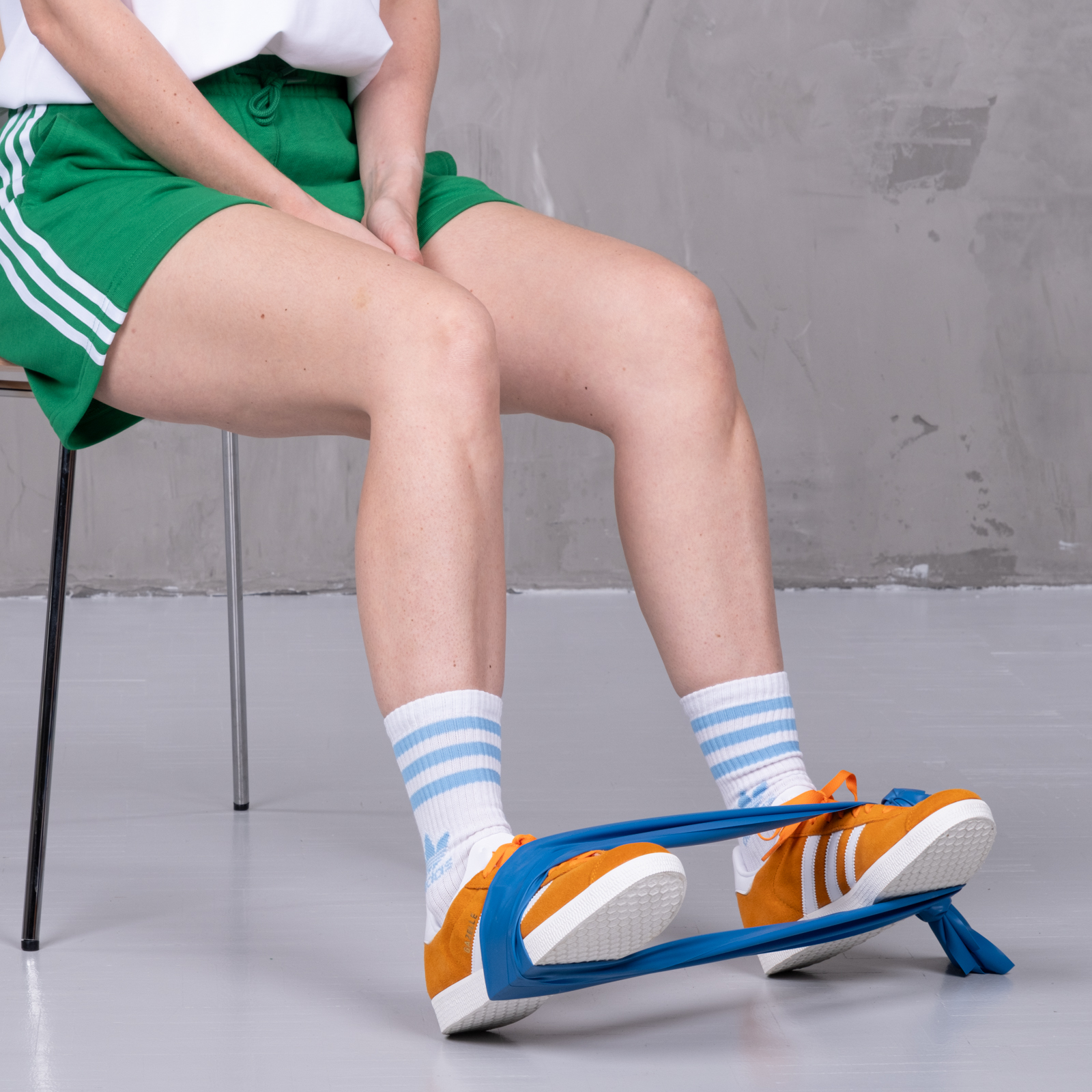
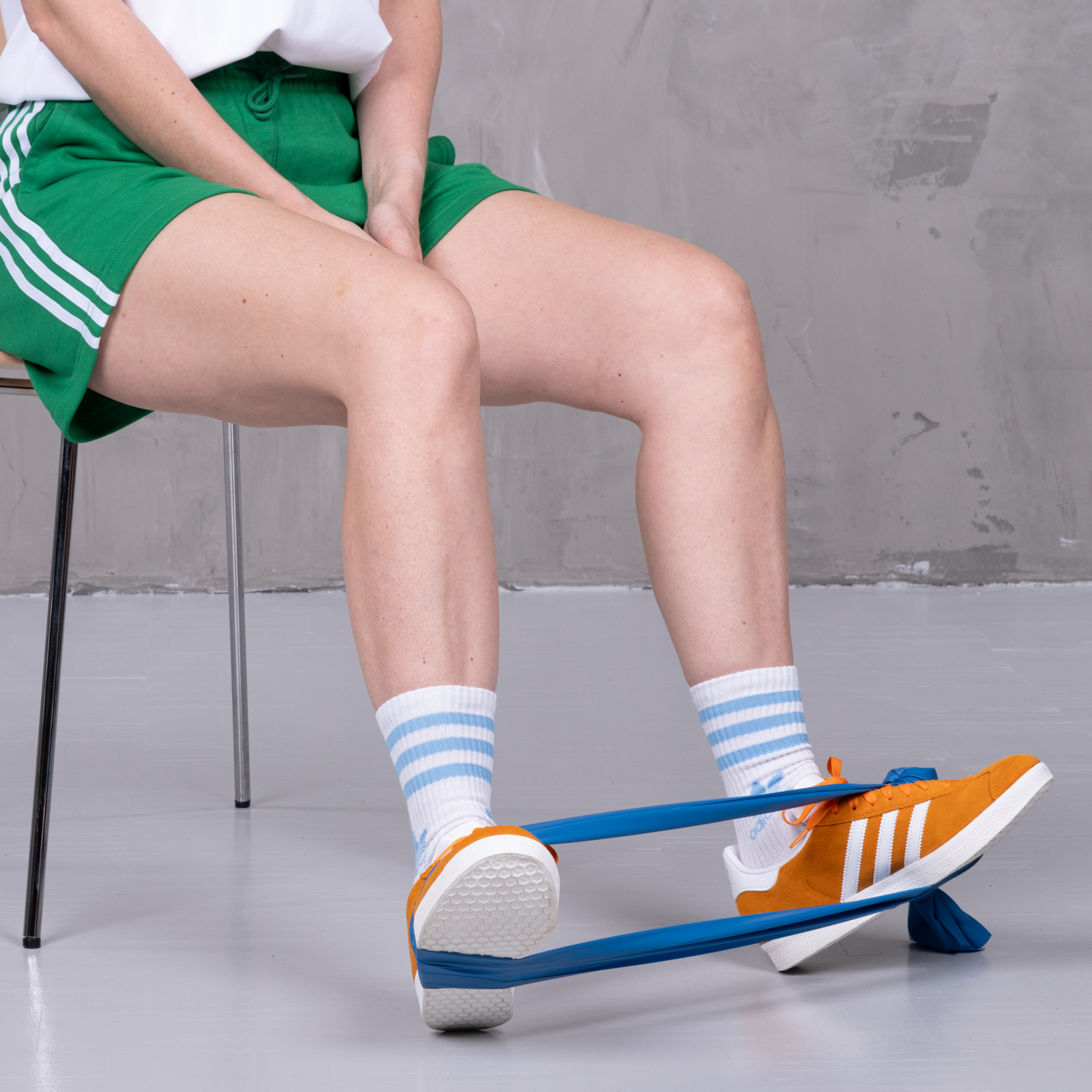
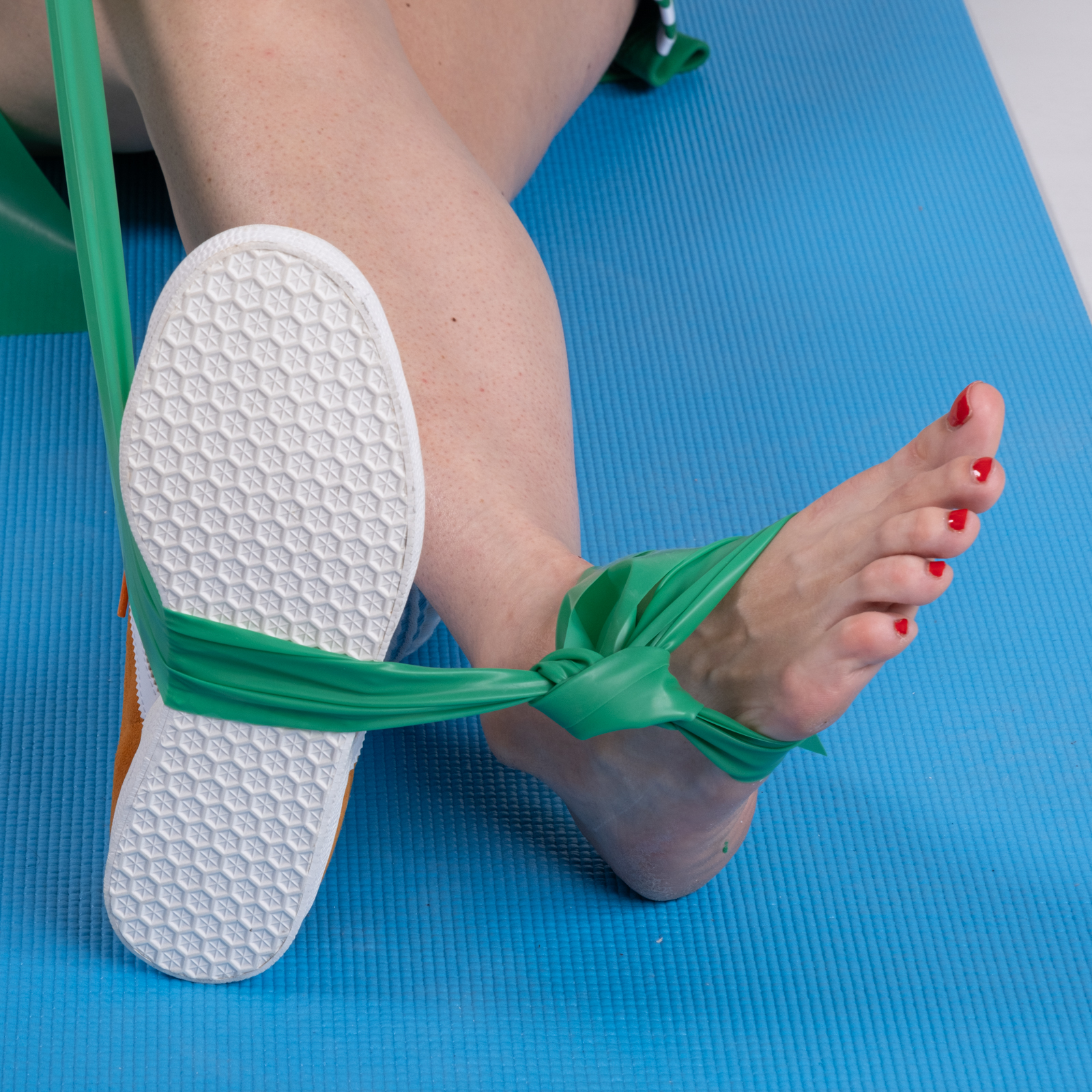
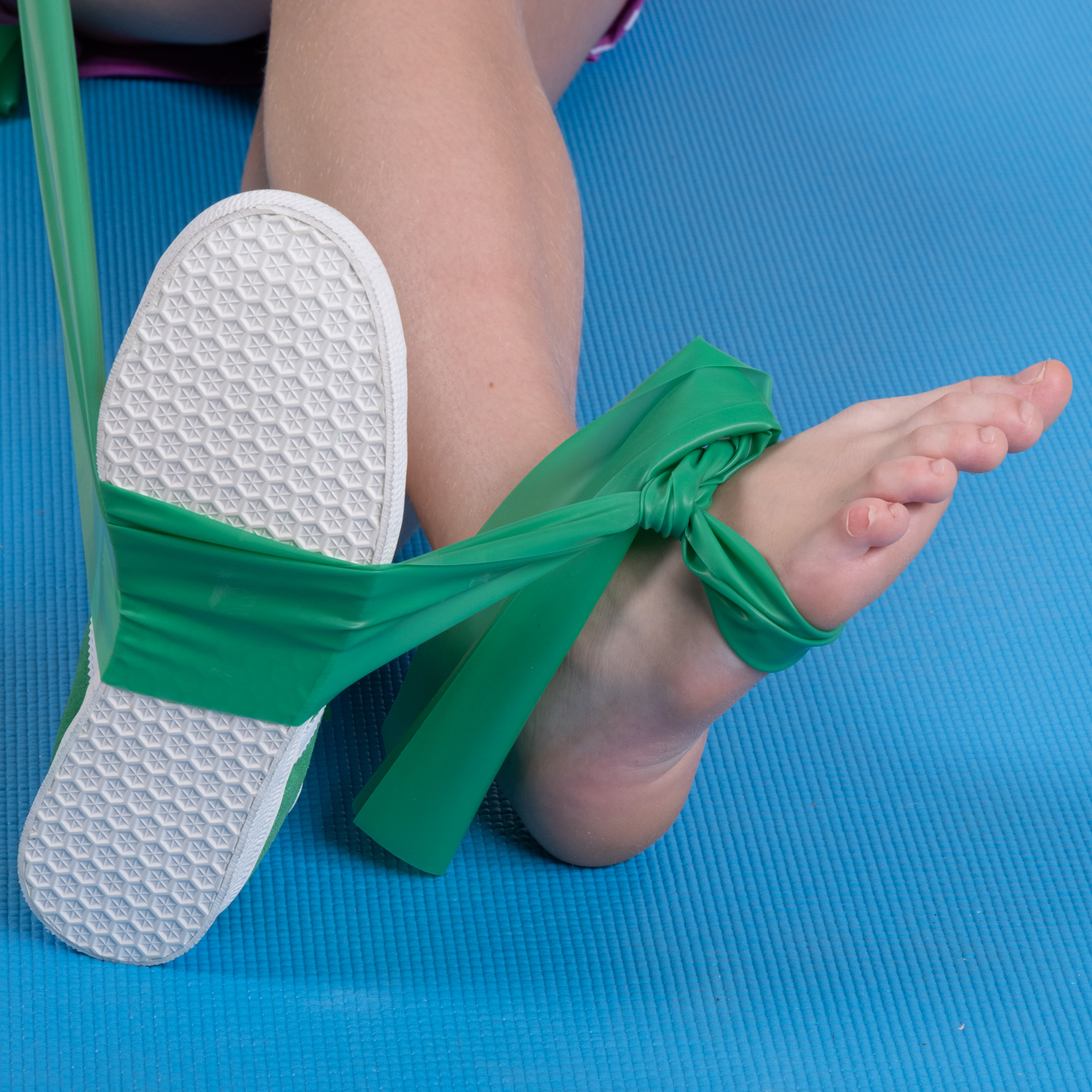
Lie on your back with your legs stretched out. Cross your lower legs. Tie an exercise band around the foot of the working leg. Place the sole of the other foot on the exercise band, right next to the foot of the working leg, which is turned as far away from the other foot as possible, so that the lateral ligaments and the exercise band are stretched to their maximum. Hold the stretch for a few seconds, then slowly bring your feet back together.