Rehabilitation starts with the exercises in Step 1. When the exercises can be performed without pain, rehabilitation starts on the next step.
How often and for how long should I train? Training frequency and duration are individual. Start with about 3 repetitions per workout. exercise and at least 3 times a week. Slowly increase the number of repetitions and load without exceeding the pain threshold
Do I have to do the whole program every time? No, you can divide the exercises into different days. The most important thing is to exercise regularly and gradually increase the intensity
The time in minutes indicates the time distribution between stretching, balance and strength if you train for one hour. Whether you train for one hour or 10 minutes, for example, is adapted to your starting point – and can be increased over time.
The treatment for stress-induced inflammation of growth plates primarily involves rest, as the growth plates cannot be strengthened through exercise. It is important to keep ‘all’ the other muscles active whilst the tendon attachments in the growth zones at the front of the knee heal.
The exercises must not trigger the familiar pain at the front of the knee during or after training.
Condition
Unrestricted: Light cycling. Swimming. Running without jumping or sprinting
Stretching
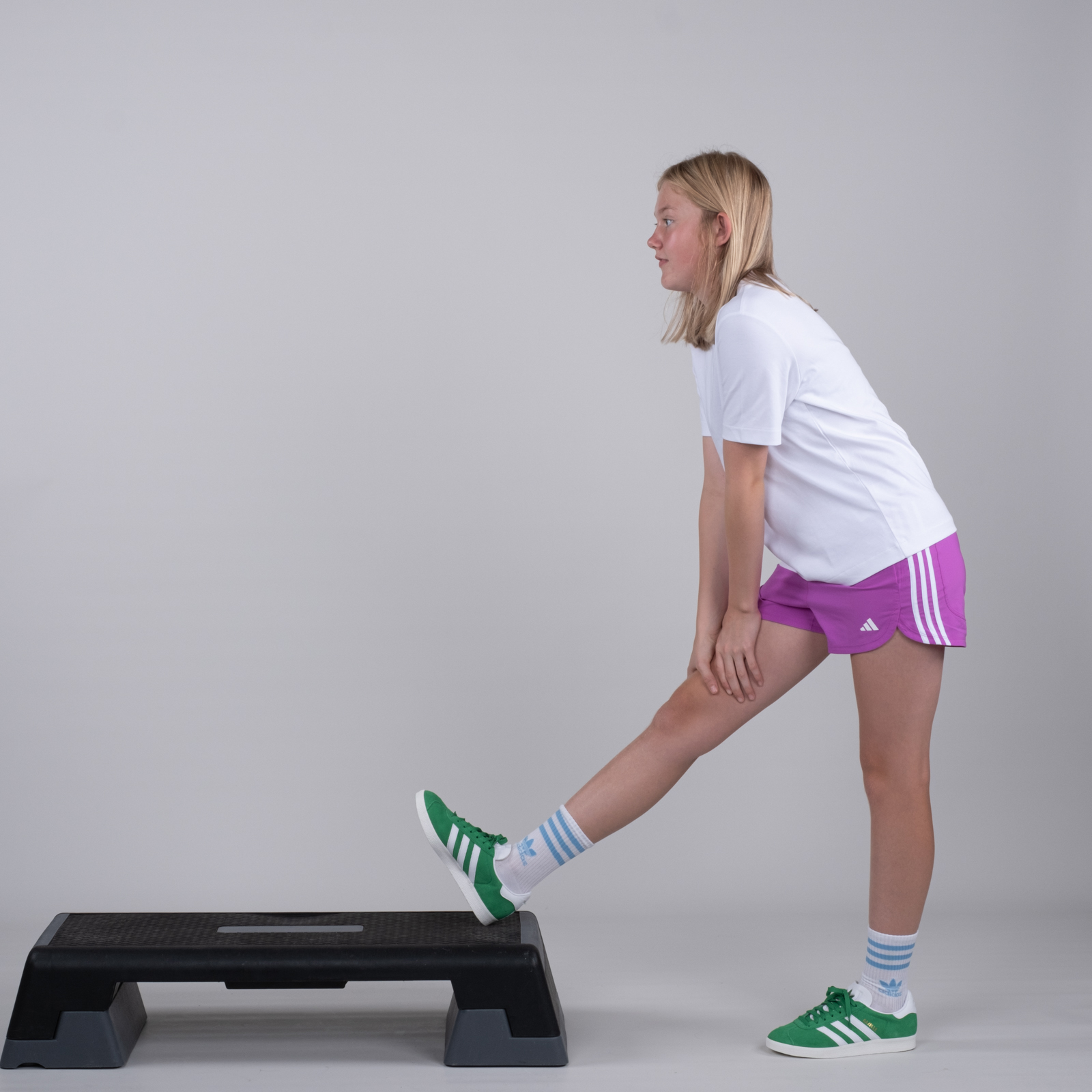
Stand with your training leg straight on a step/stool while bending your front body slightly forwards. Hold the stretch for 20 seconds.
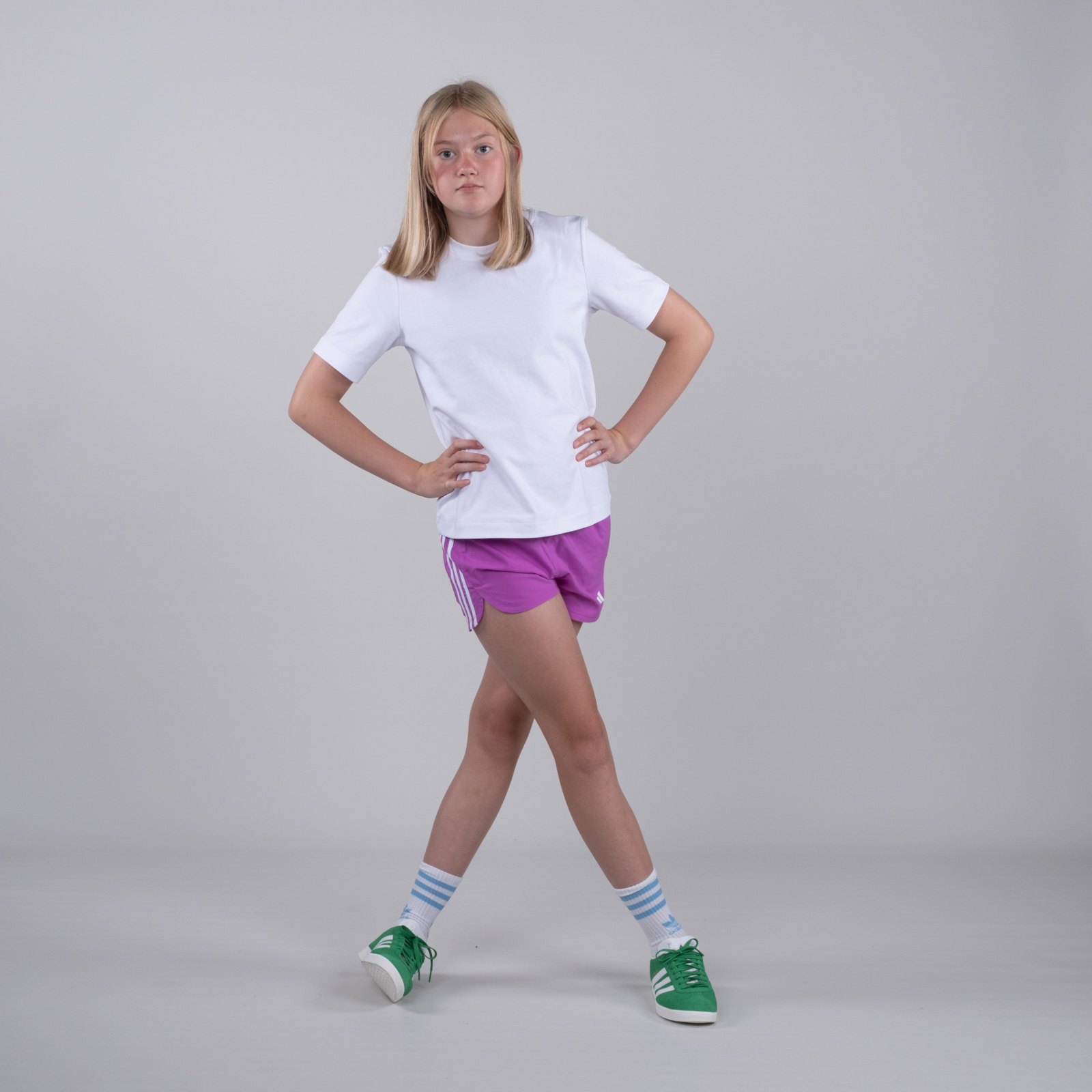
Cross your straight training leg behind your support leg while bending your body out to the side over your training leg to increase the stretch on the outside of your thigh. Hold the stretch for 20 seconds. Repeat the exercise, alternating between your right and left legs.
The exercise can also be done while lying on your side on a table or bed. Bend your lower leg up towards you and let your upper leg hang over the edge of the table to increase the stretch on the inside of your thigh. Hold the stretch for 20 seconds. Turn round and do the same exercise on the other leg.
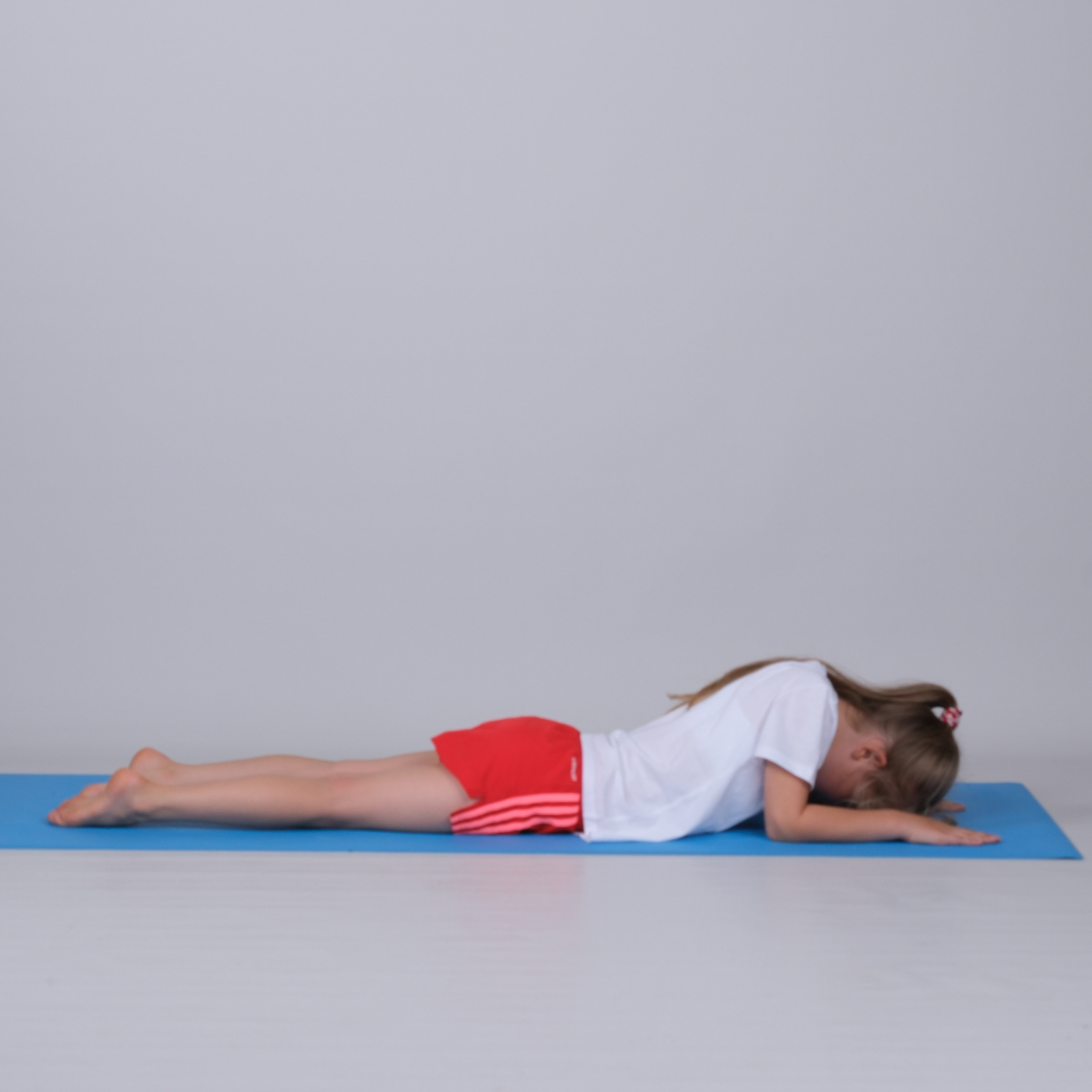
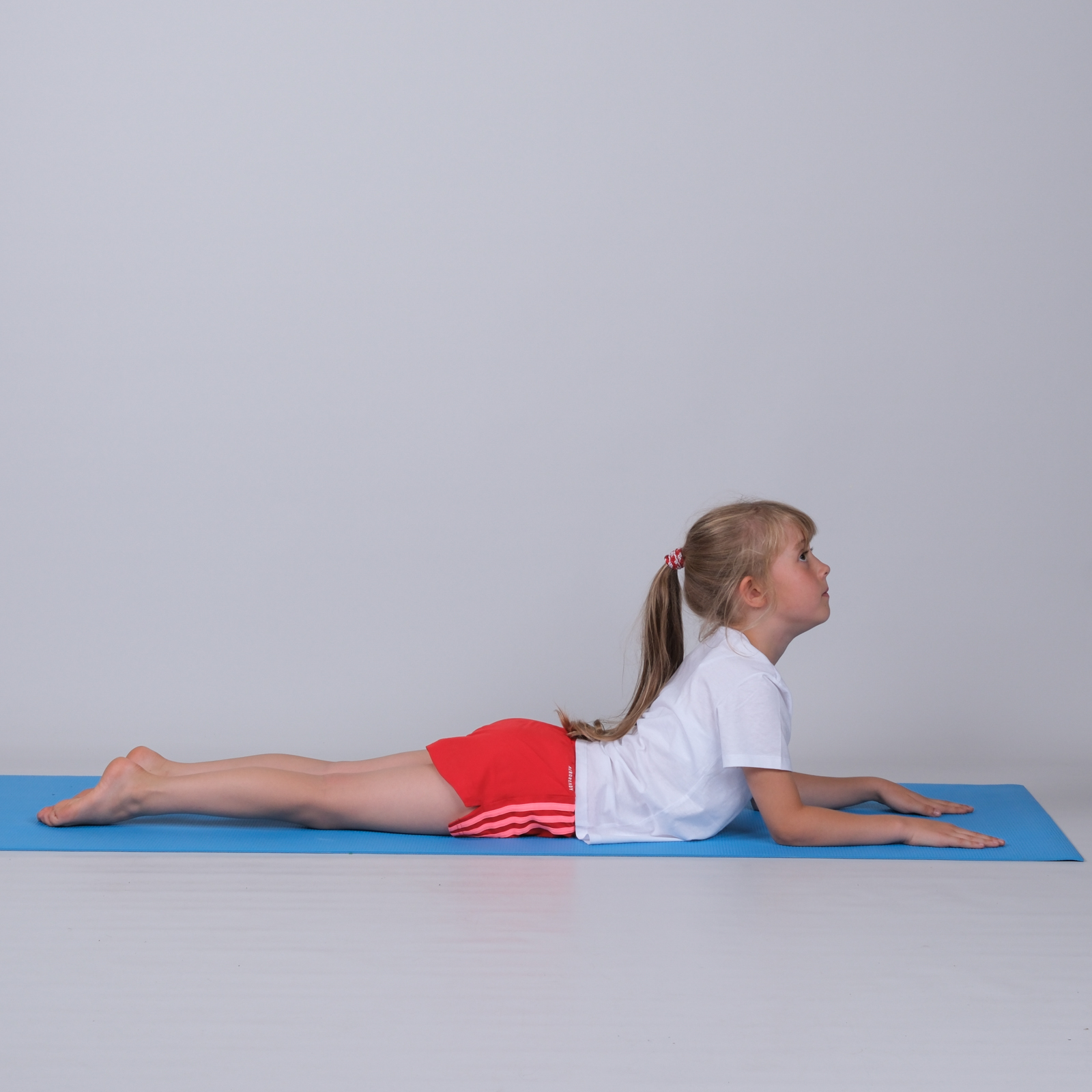
‘The Cobra. Lie on your stomach with your forehead on the floor, palms by your shoulders and elbows in towards your body. Lift your head and upper back. The navel remains on the floor. Hold the position for at least 5 seconds. Return to the starting position. Relax for at least 5 seconds.
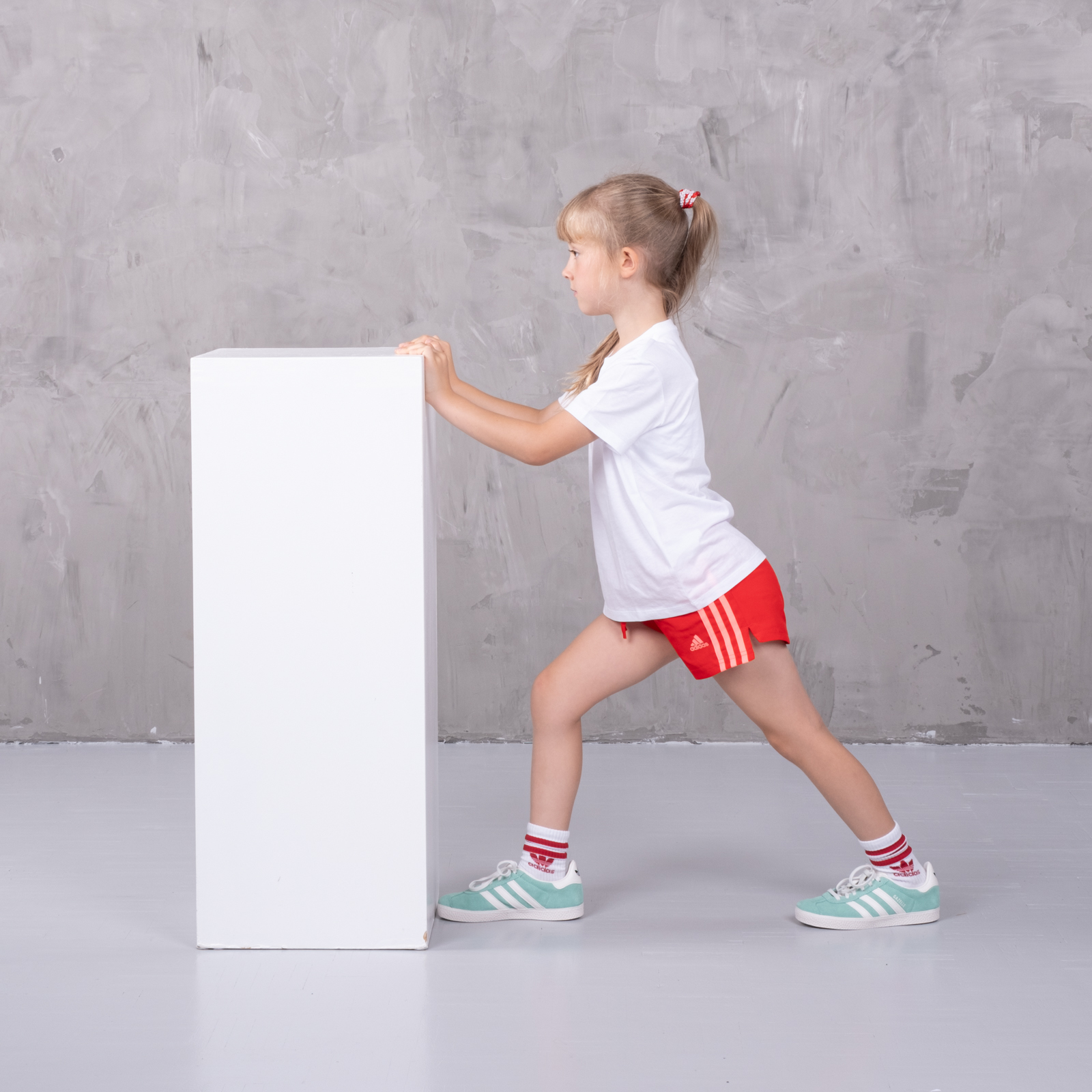
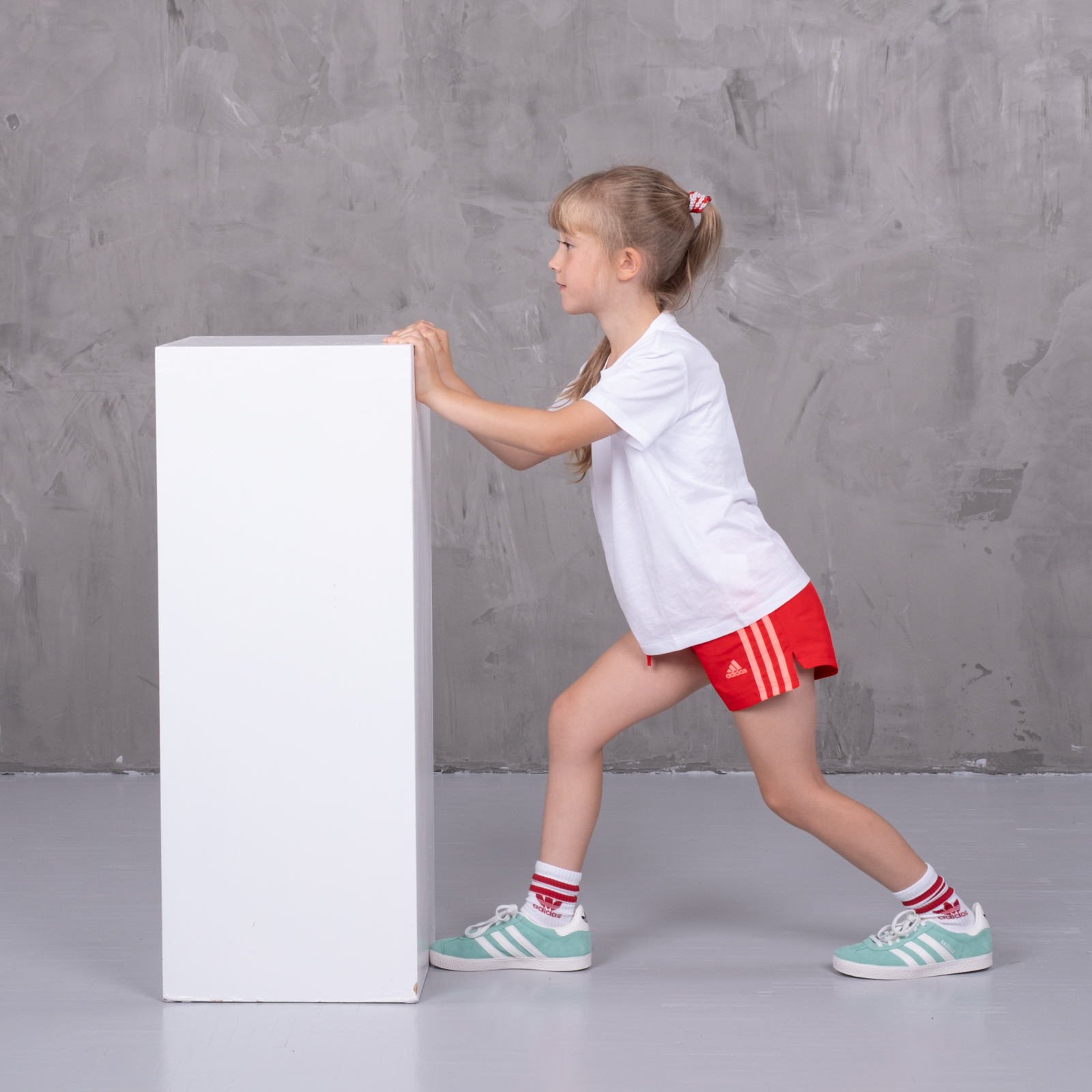
Stand with your arms resting against a wall and your working leg stretched out behind you so that you feel a stretch in your calf muscle. Slowly bend the knee of your working leg so that you feel an increasing stretch in your calf muscle. Hold the stretch for 20 seconds. Repeat the exercise on the other leg.
Coordination
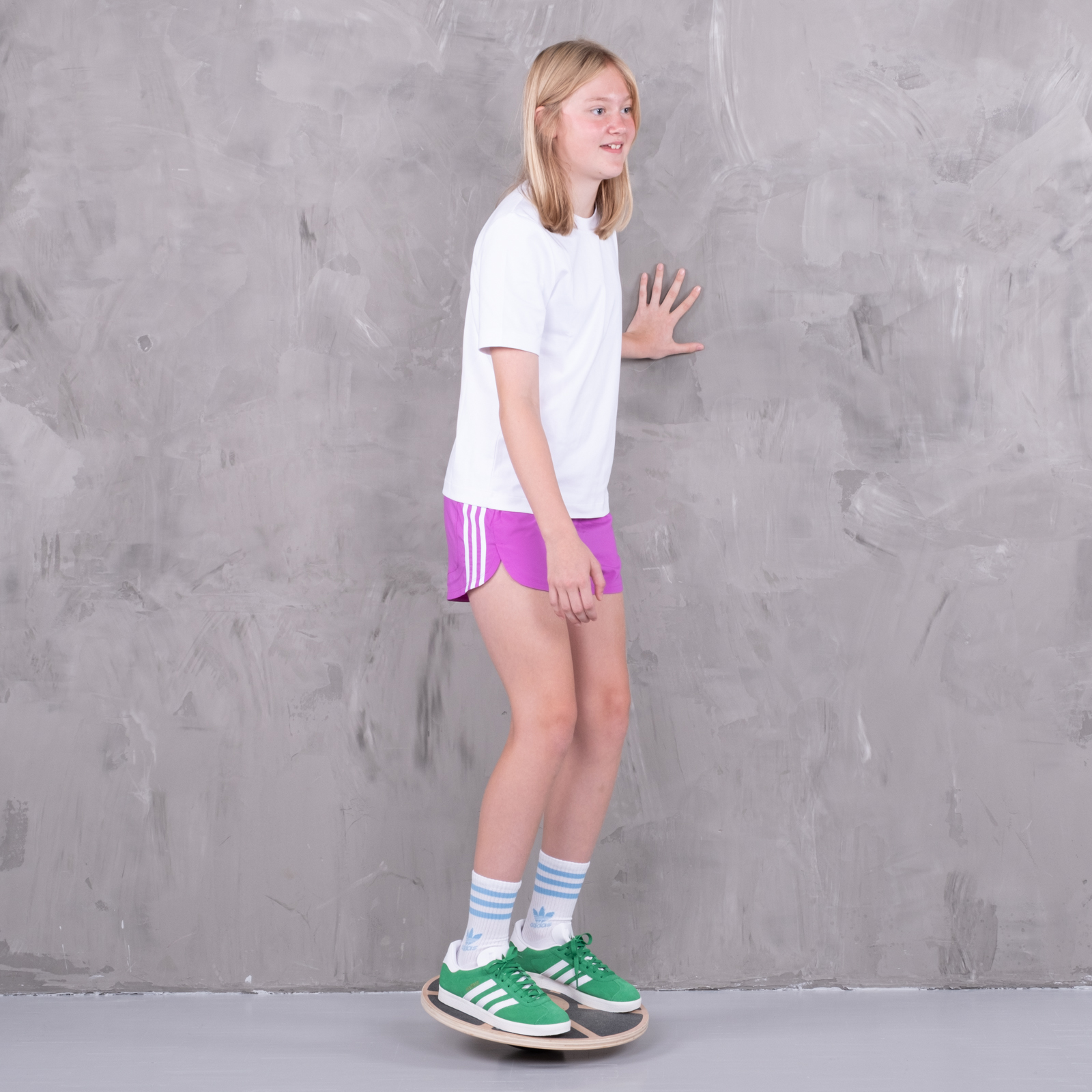
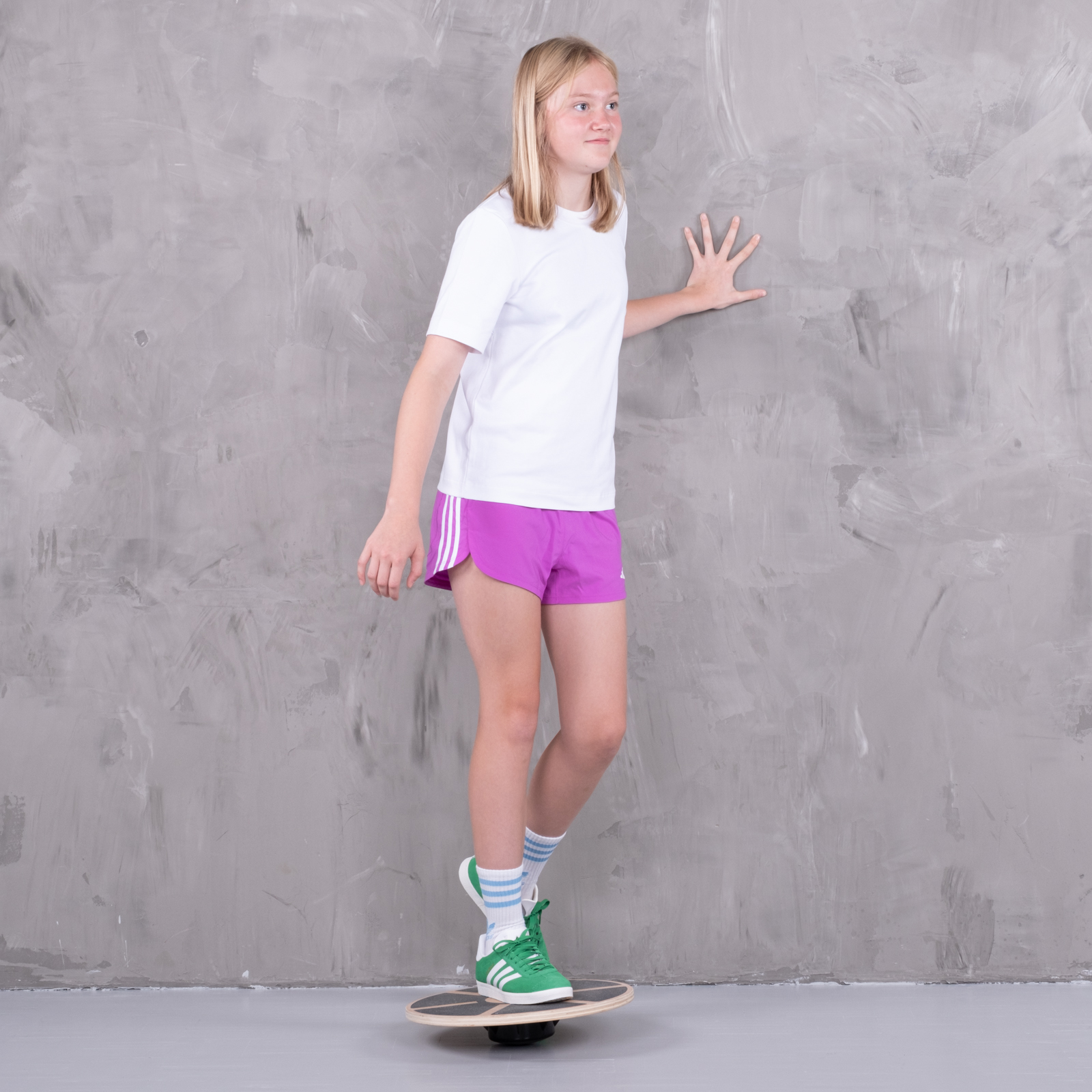
Balance on two feet on the balance board. At first, use your hand to support yourself against the wall. Later, balance on one foot without support. Try balancing with your eyes closed later.
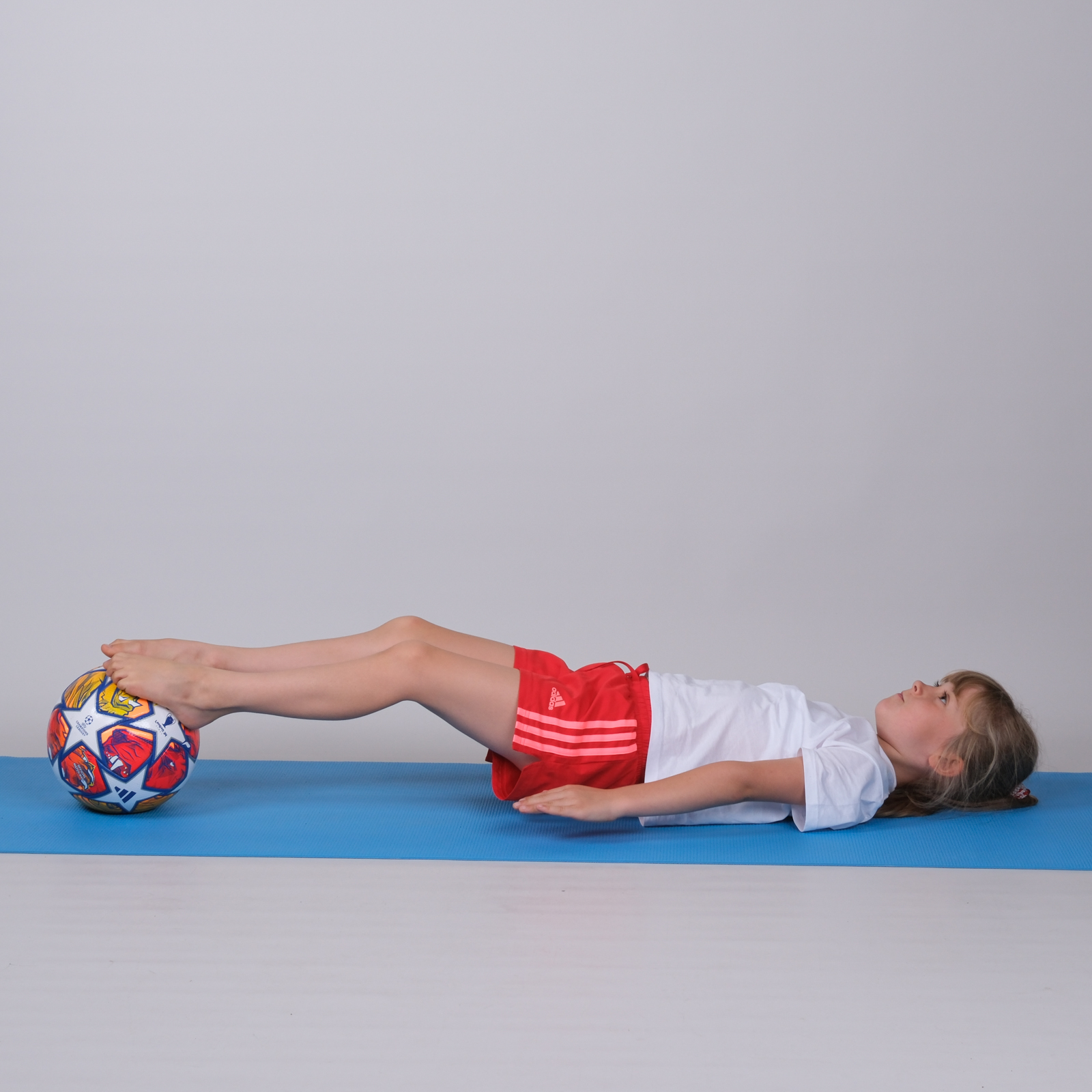
Lie on your back with a ball or stick under both feet. Roll the ball back and forth at a steady pace while lifting your hips.
Strength
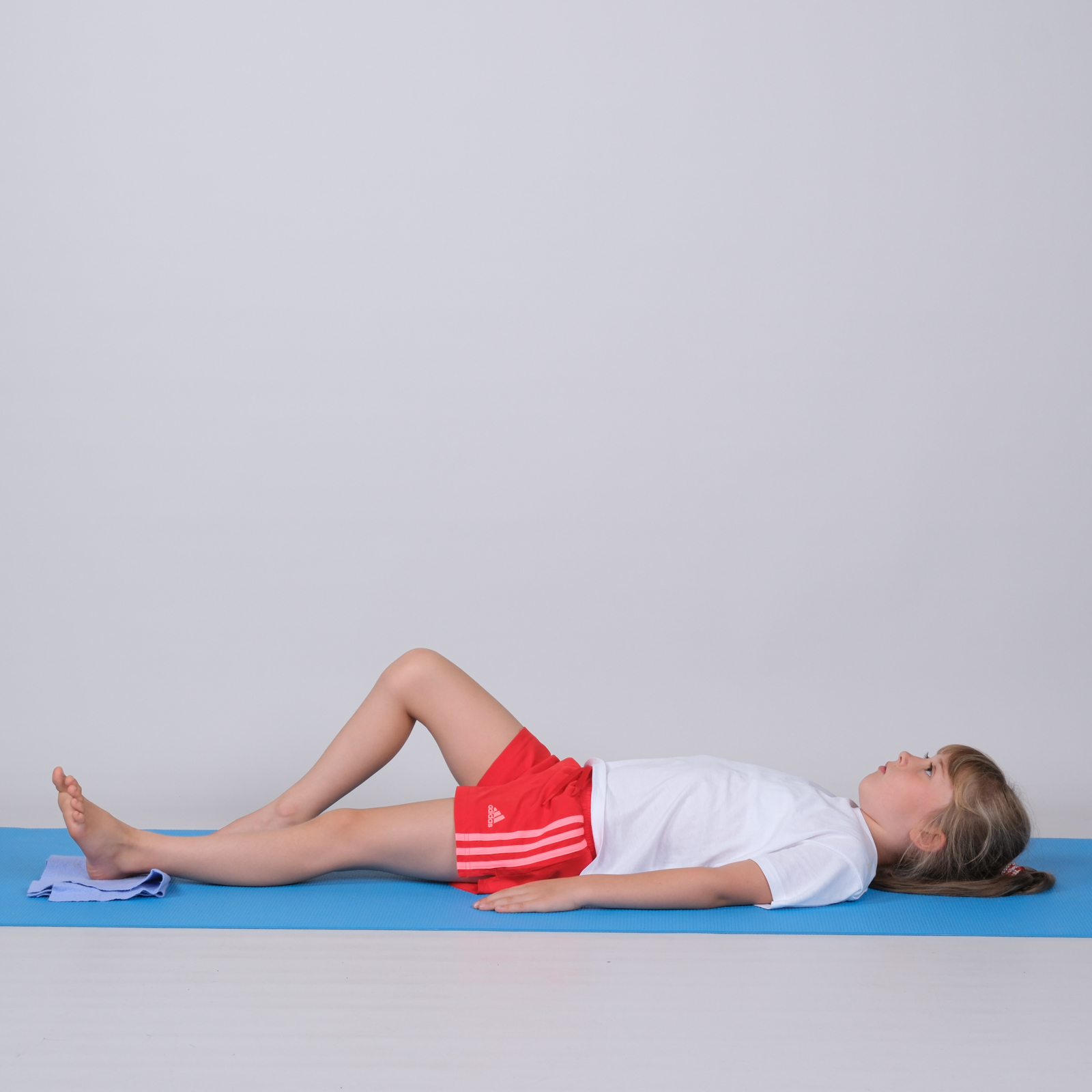
Lie on your back. Let the heel of the training leg rest on a smooth floor. Bend and stretch the training leg while maintaining contact with the ground.
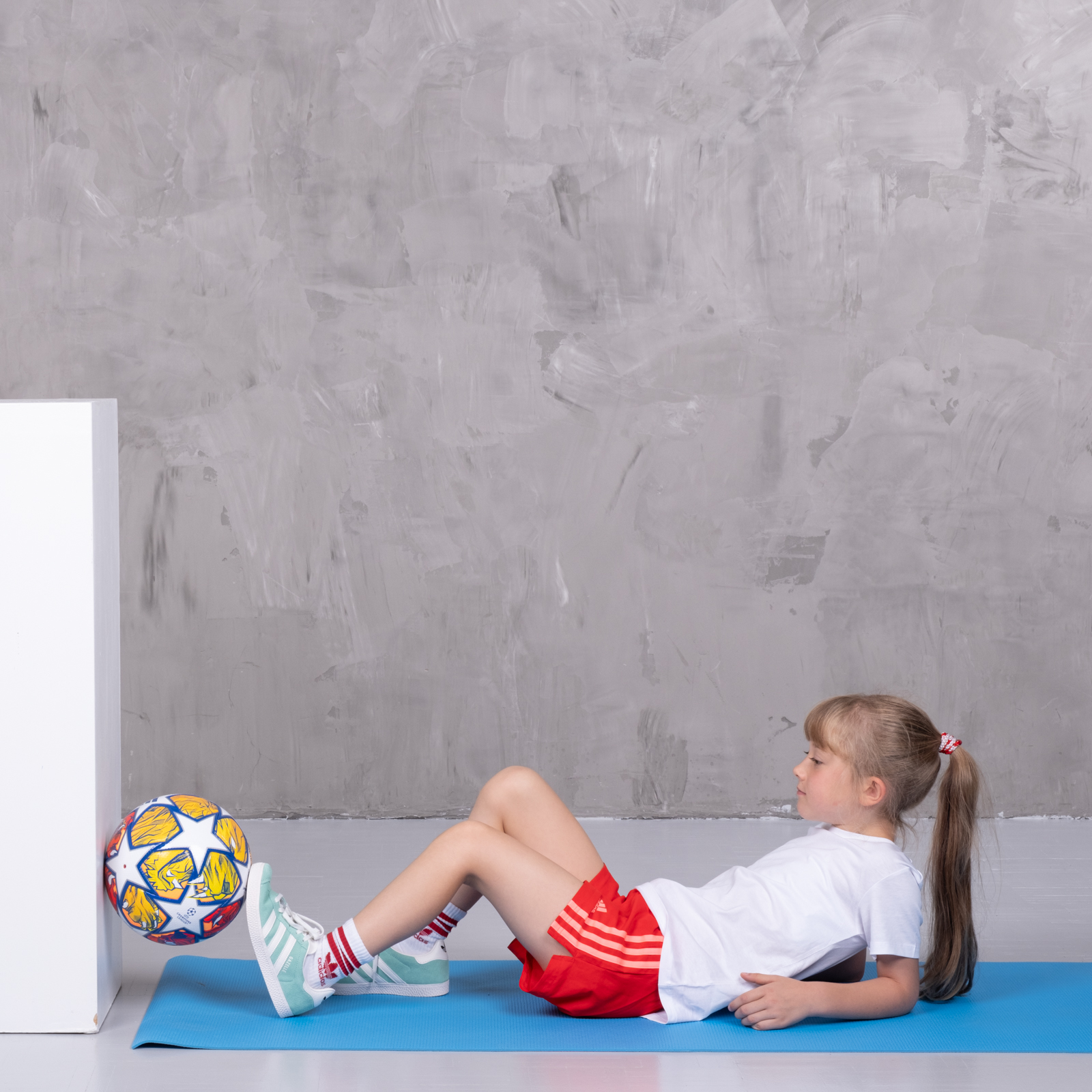
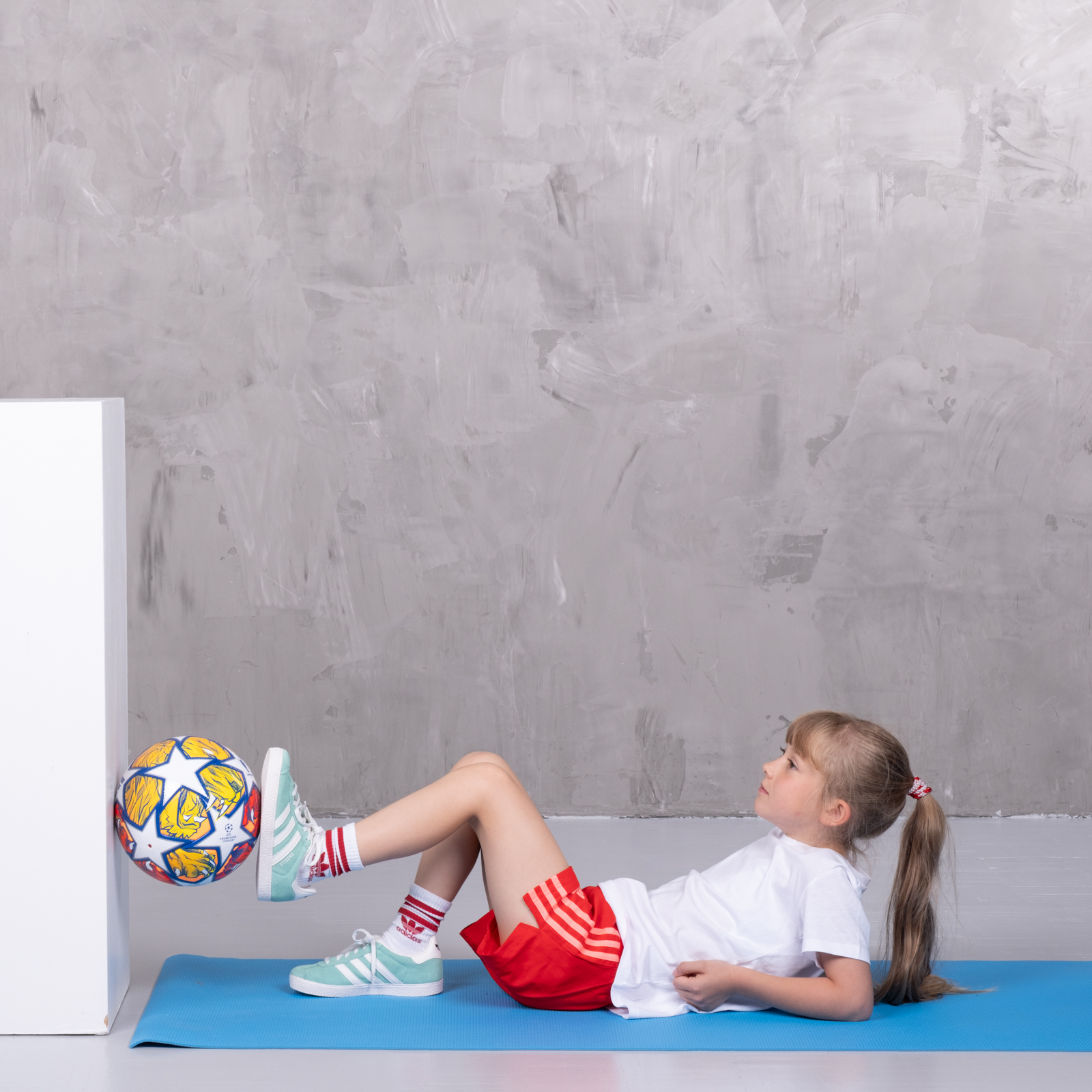
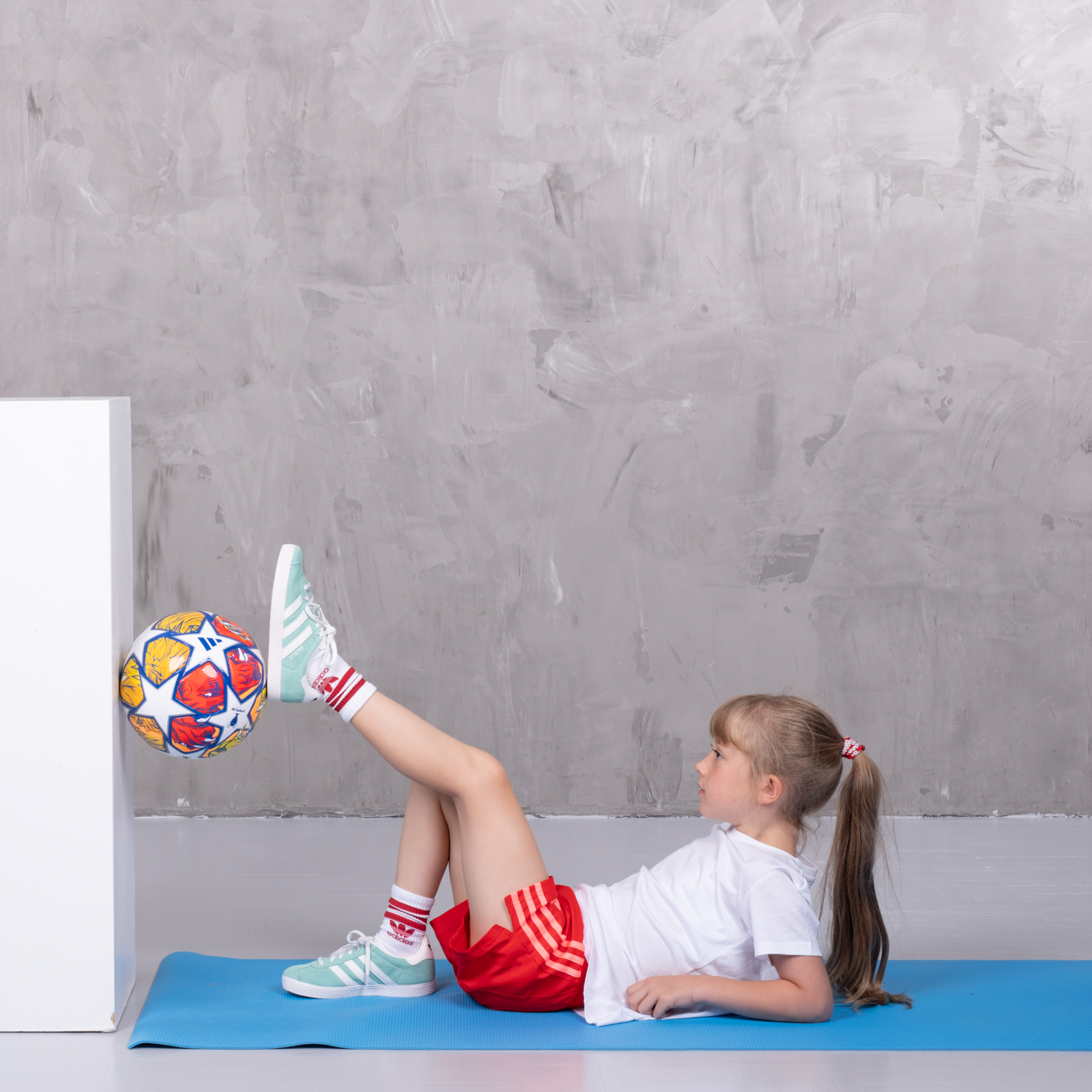
Lie on your back with your healthy leg bent and your foot on the floor. Rest the foot of your injured leg on a ball against the wall. Roll the ball up and down the wall while your foot presses lightly against it.
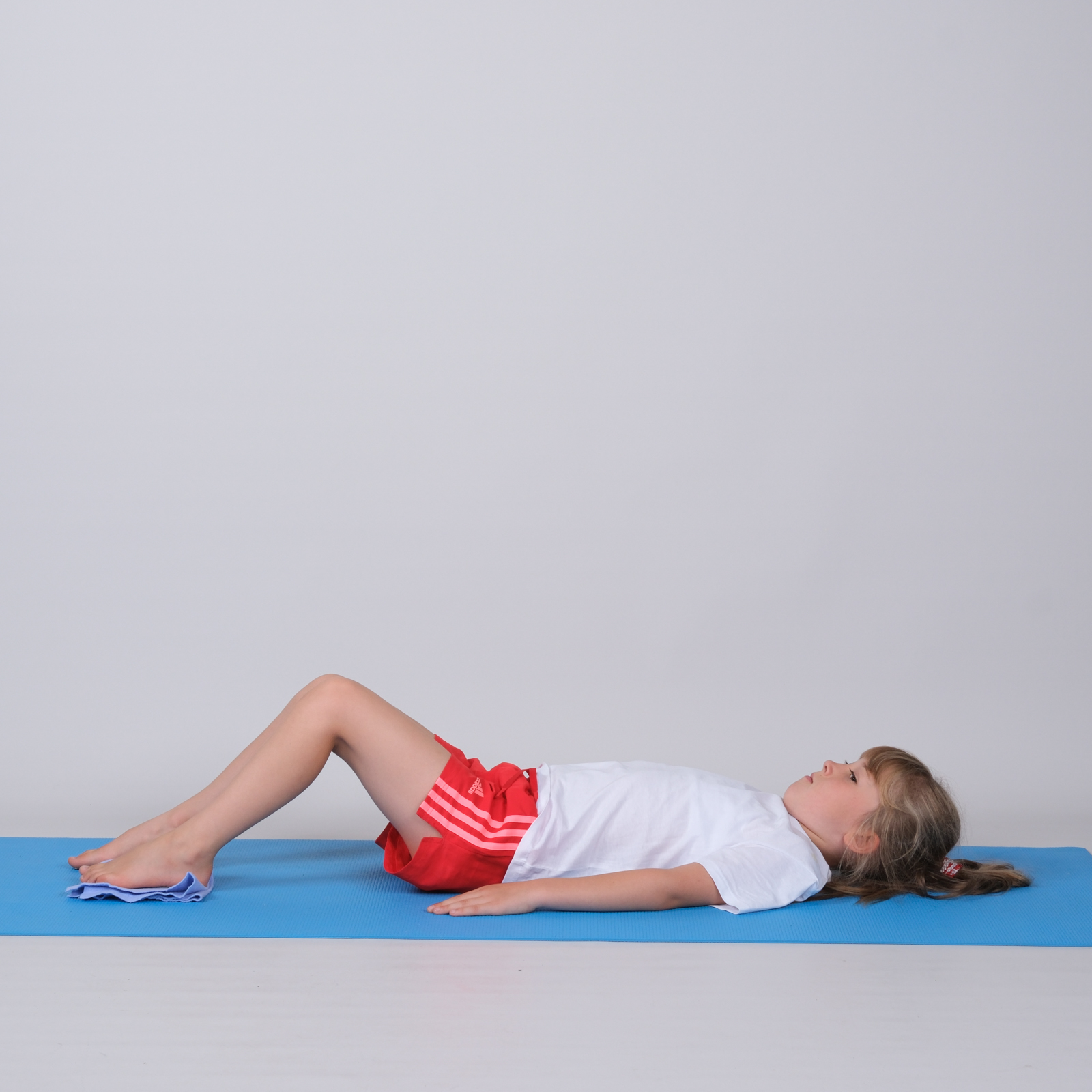
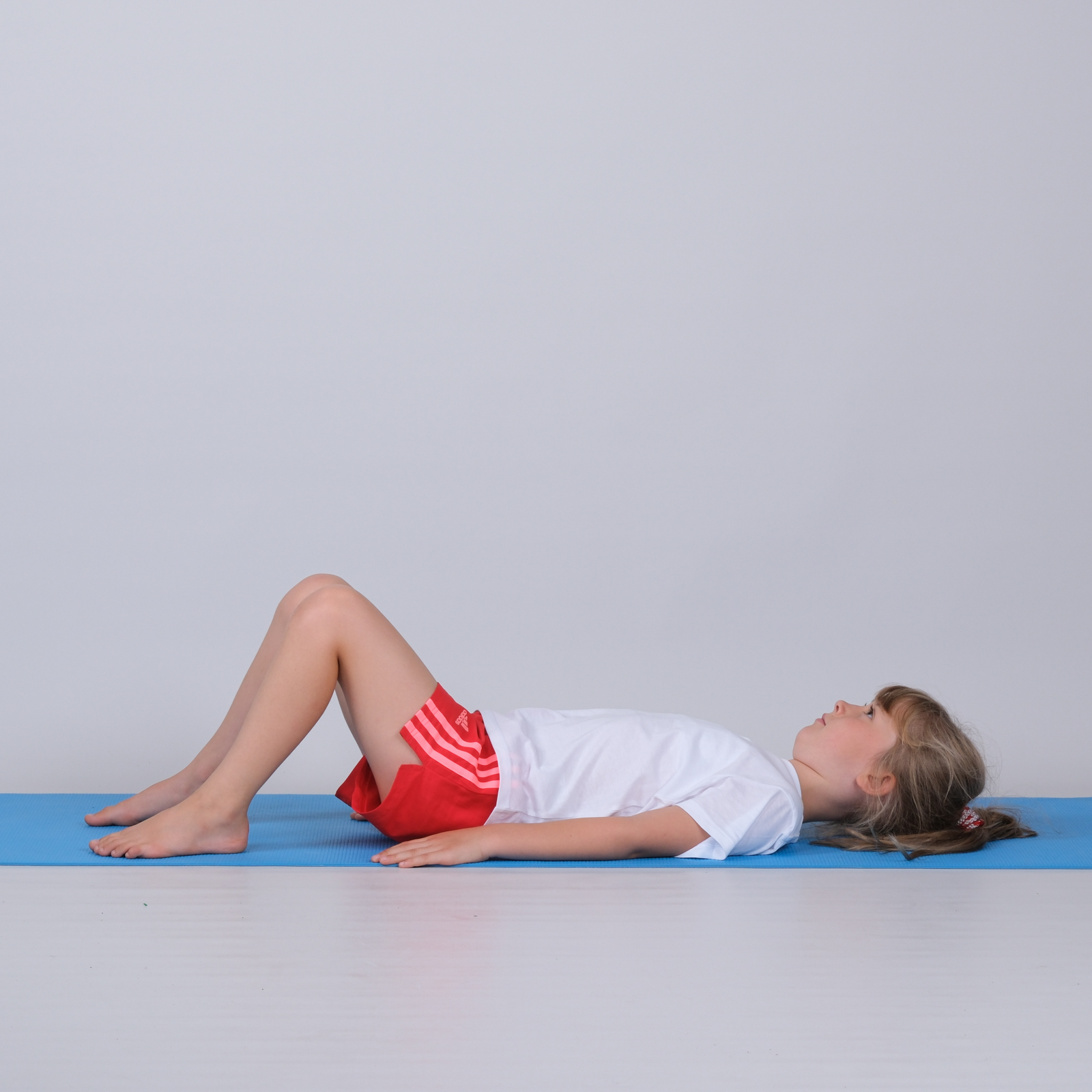
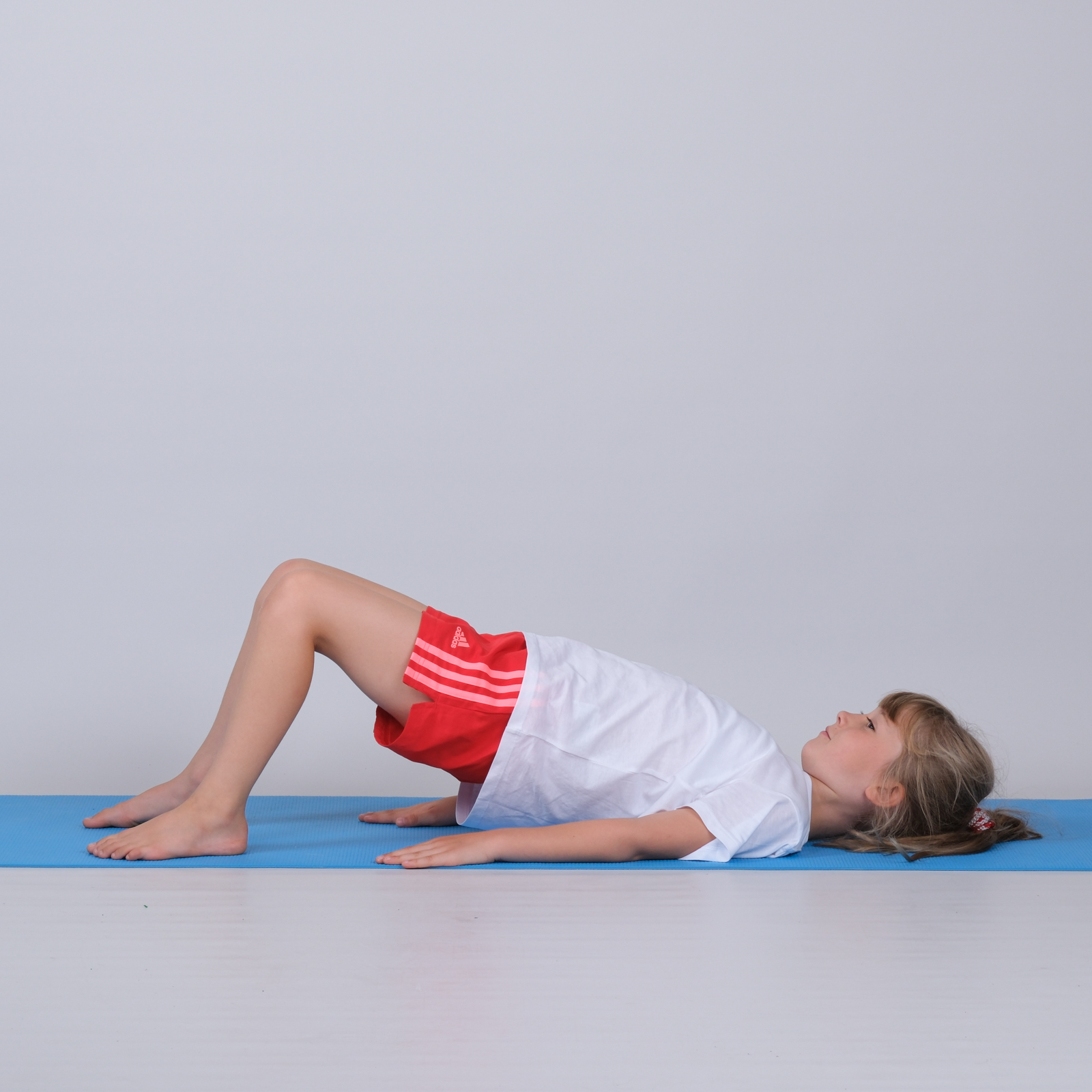
“Lying pelvic lift”. Lie on your back with your knees bent and the soles of your feet flat on the floor. Slowly lift your pelvis and lower back off the floor and hold the position for a few seconds. Your back and thighs should be in a straight line. Slowly lower your pelvis back down.
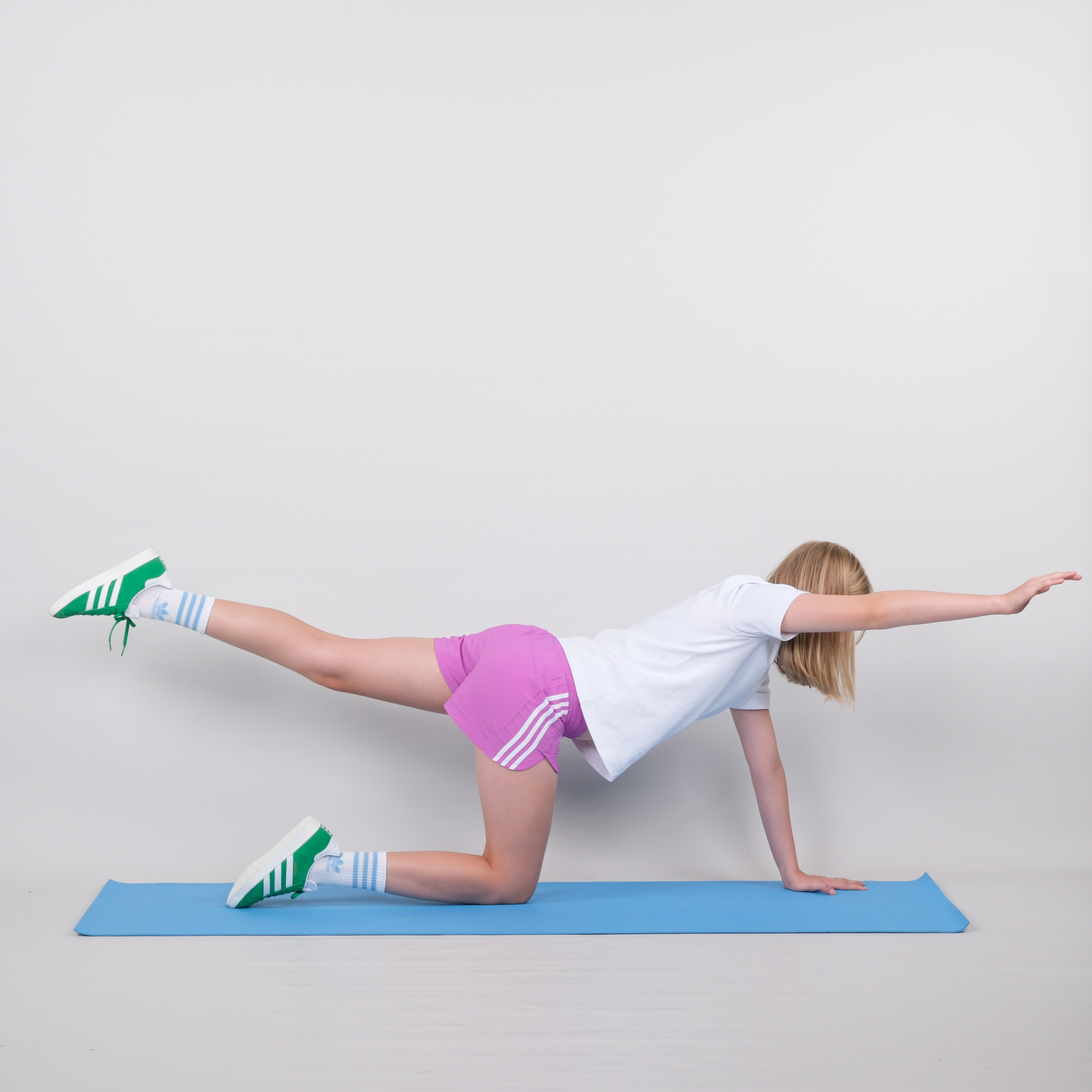
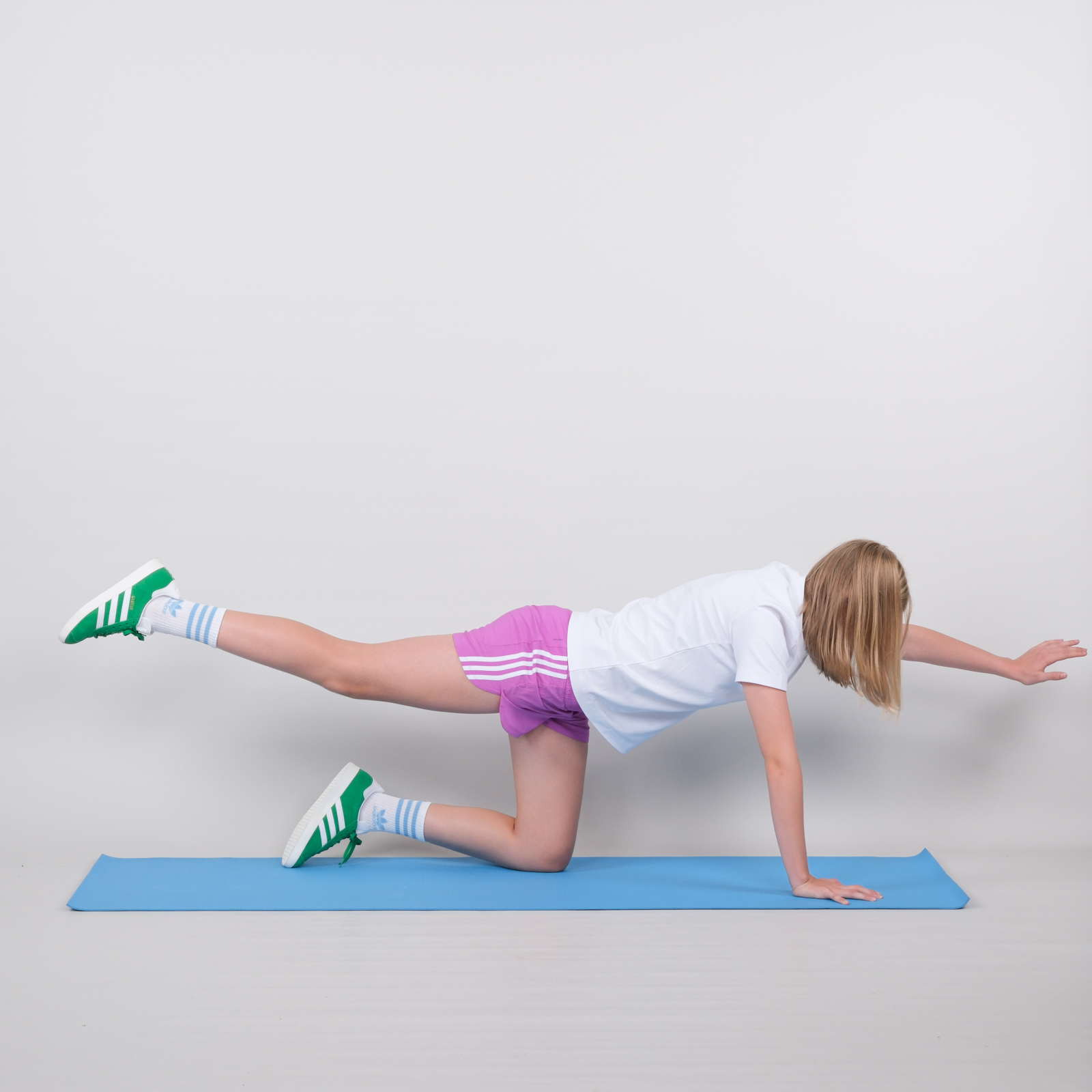
Get down on your knees and support yourself with both hands. Stretch your left leg out behind you and your right arm out in front of you. Hold this position for a few seconds. Then stretch your right leg backwards and your left arm forwards. Hold this position for a few seconds.